From inks to medicine, food to fabric, discover the rich stories held within a single plant specimen
Inspired by the sculptural plant specimens featured in Mehwish Iqbal’s exhibition Bait-al-Nahl – The House of Bees, Lindl Lawton from Adelaide’s Museum of Economic Botany explores how plants are woven into our cultures and histories.
Discussing the role of the Museum of Economic Botany, the last museum of its kind in the world and part of the South Australian Botanic Gardens and State Herbarium, Lawton will share the long history of it’s permanent collection of plant materials and delicately crafted papier-mâché models, many of which date back 130 years to the museum’s original displays.
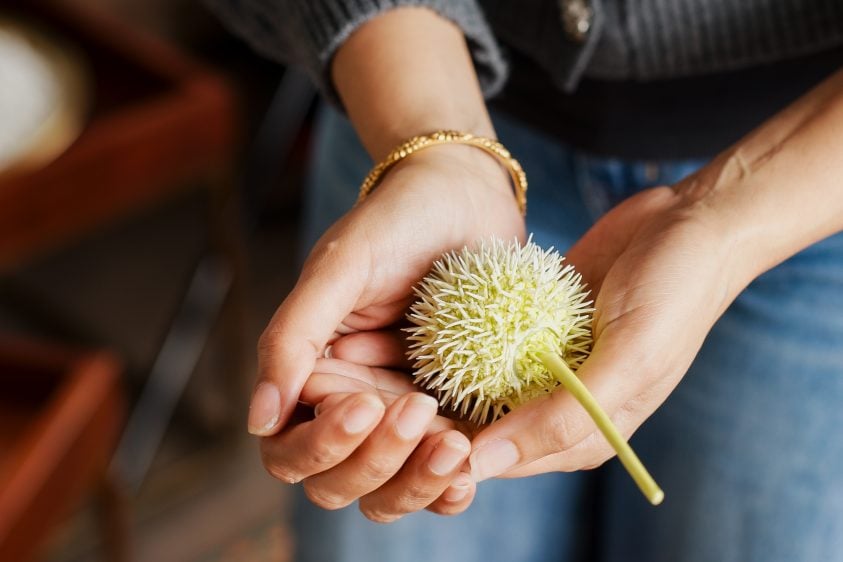
Joined by artist Mehwish Iqbal, the conversation will also consider her current Bundanon exhibition, Bait-al-Nahl – The House of Bees. Iqbal’s exhibition includes sculptural renditions of particular plant specimens, including a vast field of hand-cast ceramic poppies, a series of porcelain sycamore seed pods reflecting on contested identities and place, and a contemplative installation of individually carved porcelain date seeds exploring mourning, remembrance and the rituals of Ramadan. These pieces represent the artist’s ongoing exploration of the complex relationships between humans and the natural world.
Tickets
$18 Adult
$12 Concession
FREE Members
Includes Art Museum entry
Dates & Times
6 February 2027
11am
Location
Bundanon Art Museum
170 Riversdale Road, Illaroo NSW 2540
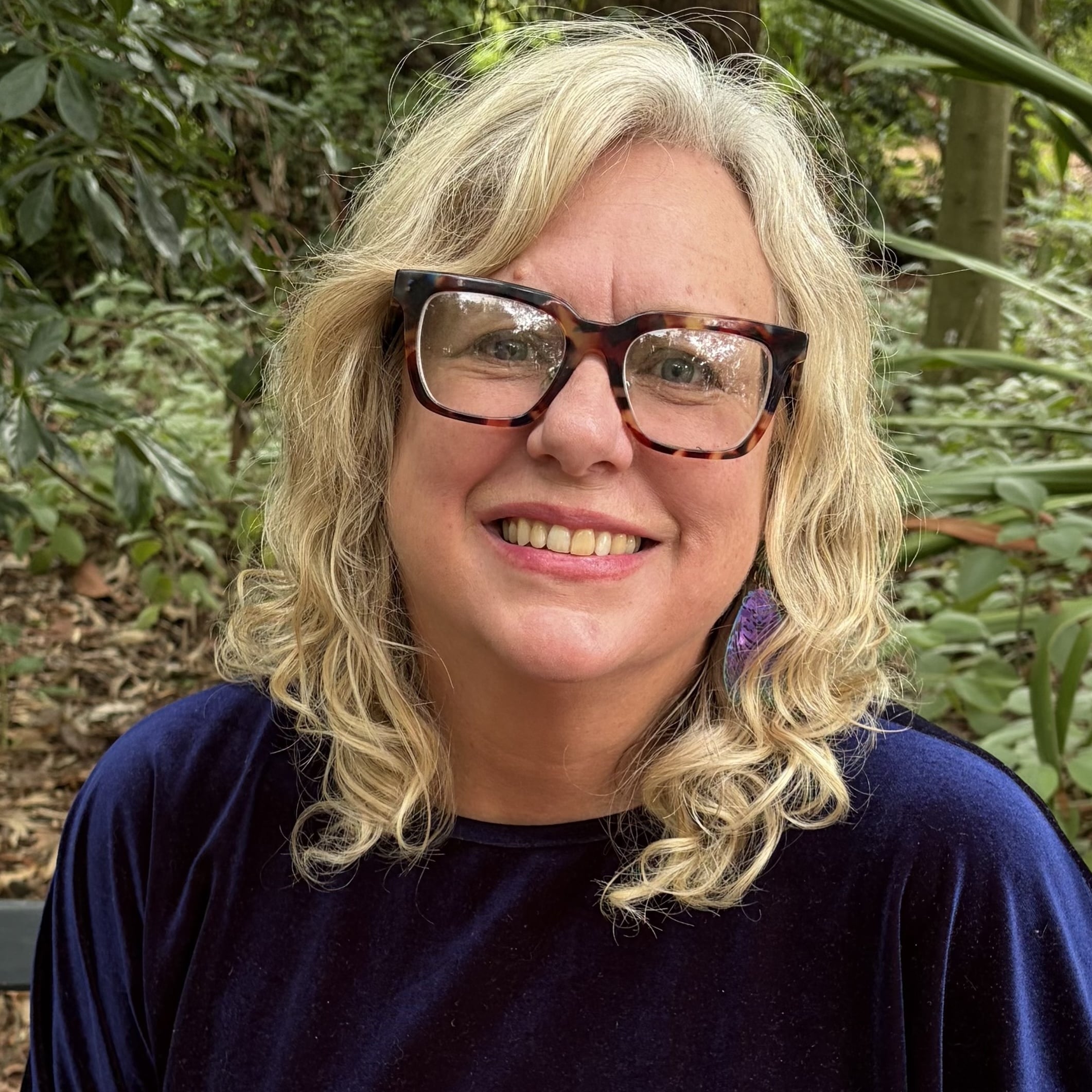
Lindl Lawton has spent three decades in the cultural sector as an historian and museum curator, most notably as Senior Curator at the South Australian Maritime Museum. In 2016, she curated The Art of Science: Baudin’s Voyagers 1800–1804, a touring exhibition of scientific artworks from French collections, sparking her interest in how art can deepen our understanding of the natural world.Now Manager of Interpretation and Cultural Collections at the Adelaide Botanic Garden, Lindl finds innovative ways to engage visitors with nature and foster environmental stewardship. She is committed to telling new stories about the collection, reaching different audiences, and challenging the ideas embedded in an intrinsically colonial institution.
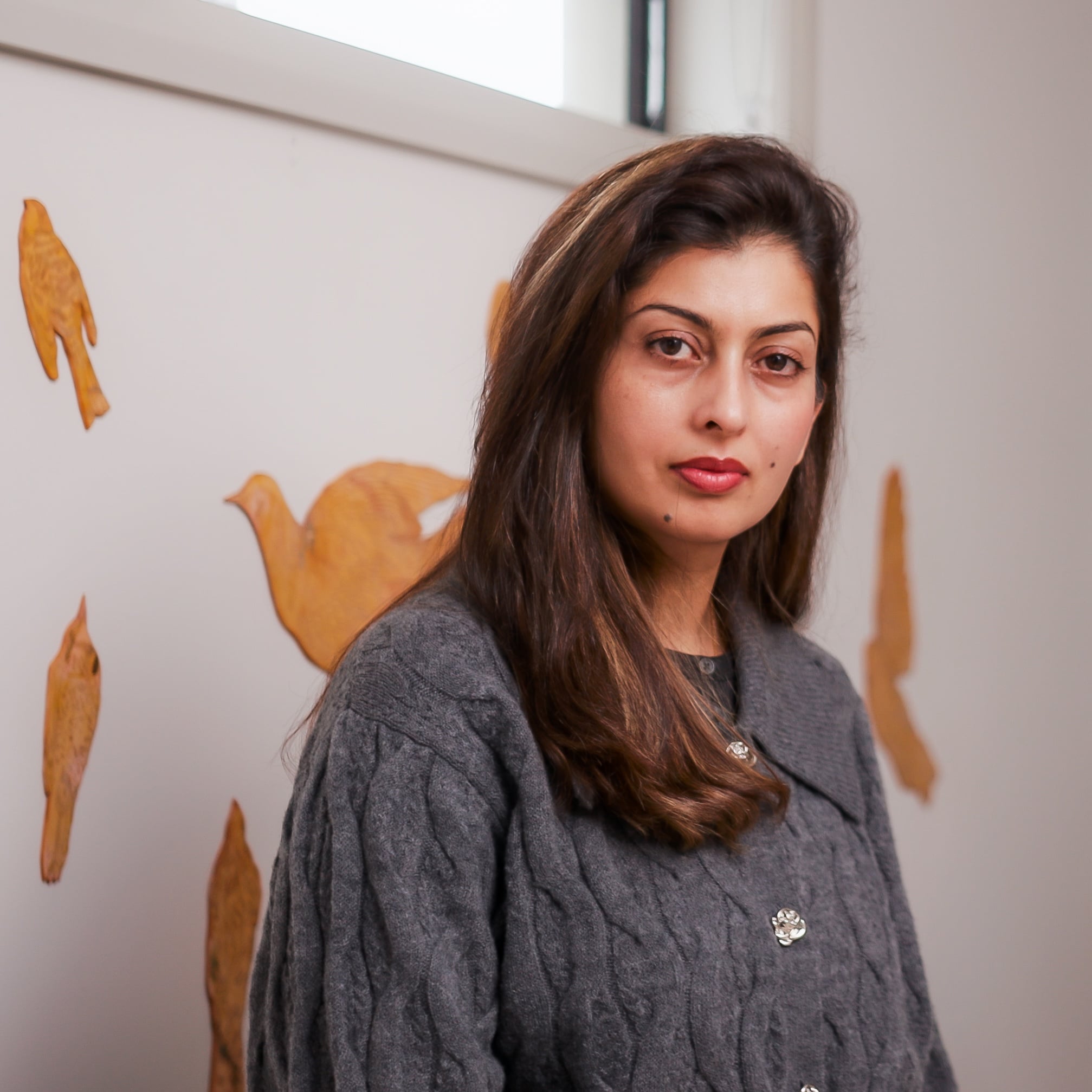
Mehwish Iqbal is a multidisciplinary artist working across painting, printmaking, textiles, ceramics, sculpture and installation. Her practice interrogates womanhood, power, migration, and the fragile states shaped by geopolitical conflict. Through community engaged processes, she creates works that respond to the resilience and vulnerabilities of marginalised people across historical and contemporary contexts. Nature forms a vital thread in her work, where animal symbolism, flora and fauna, and archaic references illuminate the tensions between human agency and hierarchical systems.