An ambitious, multidisciplinary exhibition by Mehwish Iqbal showcasing newly commissioned textile works
“My practice is grounded in the idea of harmony—how it is made, fractured, and reimagined in times of uncertainty. This body of work comes at a moment of global unrest, shaped by displacement, migration, and the loss of home. In response, I create works that invite reflection, introspection, and hope.”
— Mehwish Iqbal
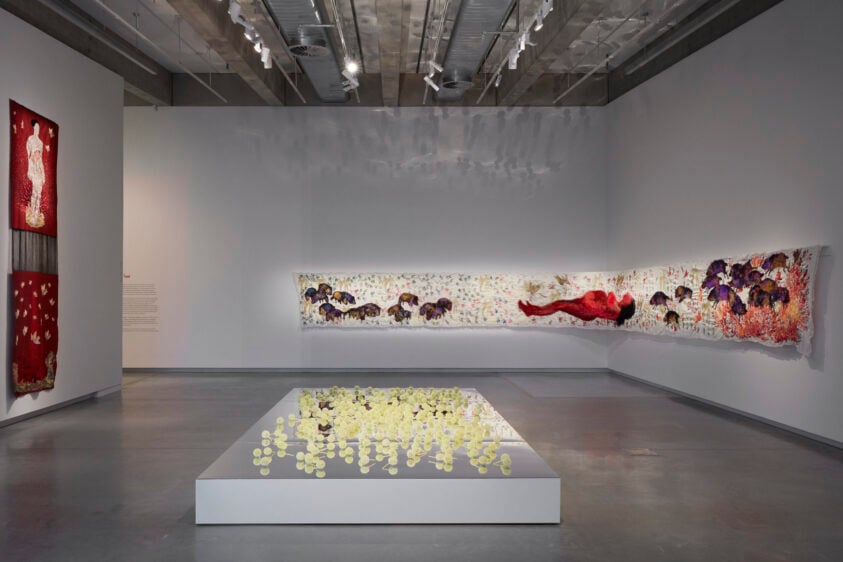
Bait-al-Nahl – The House of Bees positions the hive as its central motif. A structure of shared habitation, production and nurture, it recalls the human world and communities which ebb and flow around the globe through migration and displacement. ‘Bait-al-Nahl’ refers to Qur’anic verse and the role of the bee which builds its home in the mountains, trees and human structures, producing nectar to provide healing for humankind.
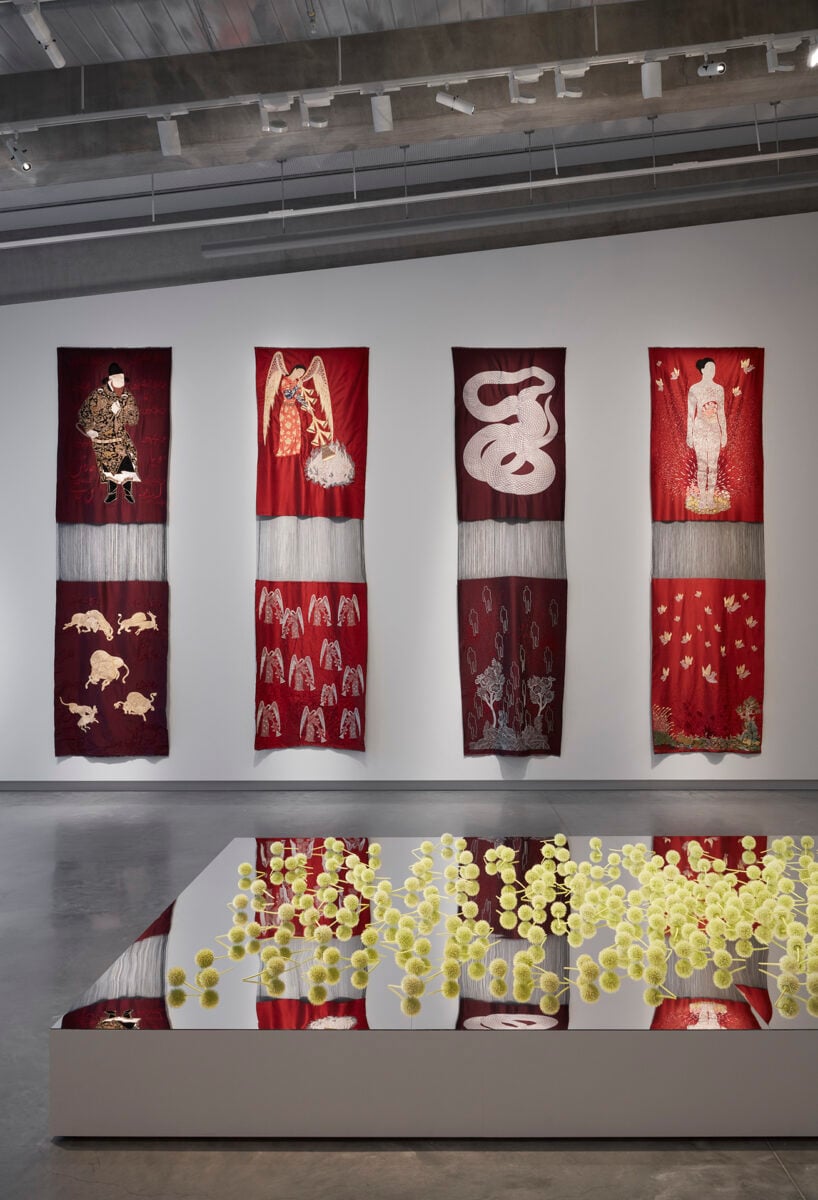
At the centre of her exhibition, Iqbal presents five new handwoven silk works, developed with artisan communities in India, Thailand and Pakistan. Drawing on histories of movement and connection across borders, they reflect women’s communal practice, knowledge and traditions passed down through generations.
Summer 2026–2027 Supporting Exhibition Patrons: Helen Argiris, Richard Banks, Susan Bennett, Kemsley Brennan, Stephen Buzacott and Christine Jeffery
Tickets
$18 Adult
$12 Concession & Youth
Free for Members
Note
Learn about accessibility across Bundanon's sites here
Find Audio Descriptions for select artworks in this exhibition below
Dates & Times
31 October 2026 — 14 February 2027
Wednesday – Sunday 10am–4pm
Location
Bundanon Art Museum
170 Riversdale Road Illaroo NSW 2540
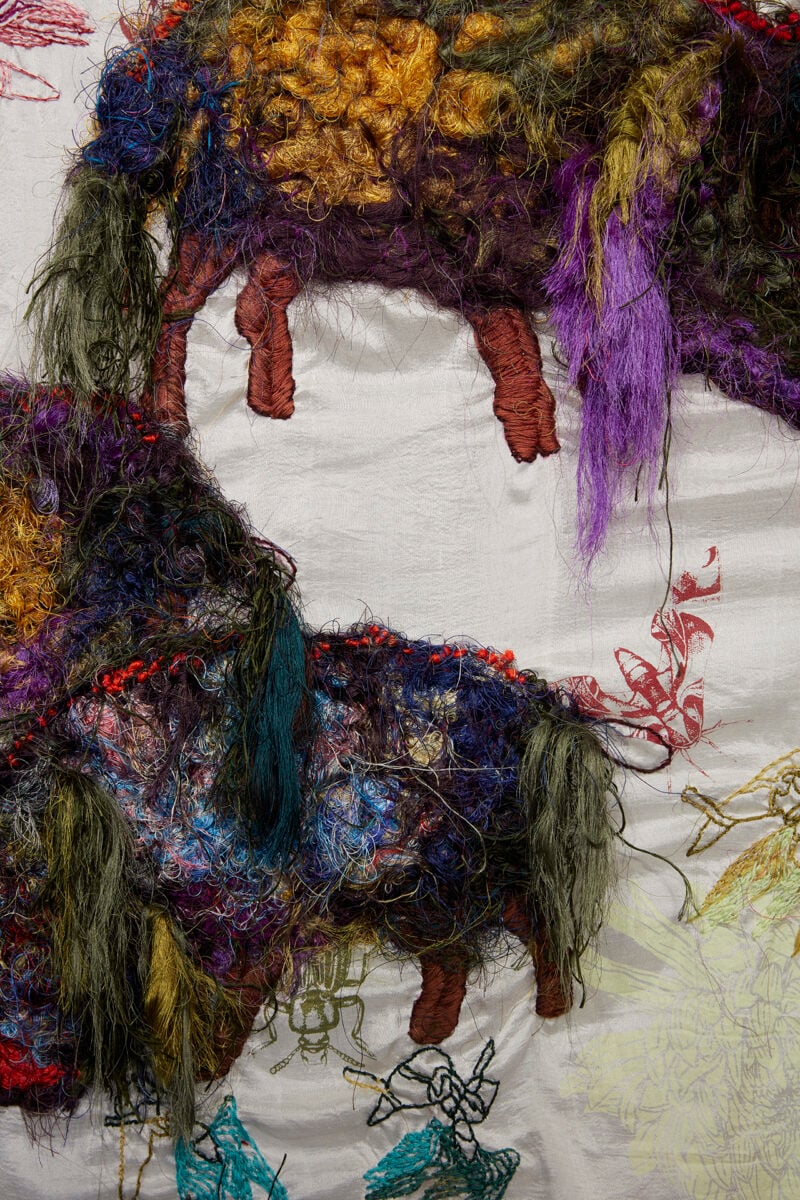
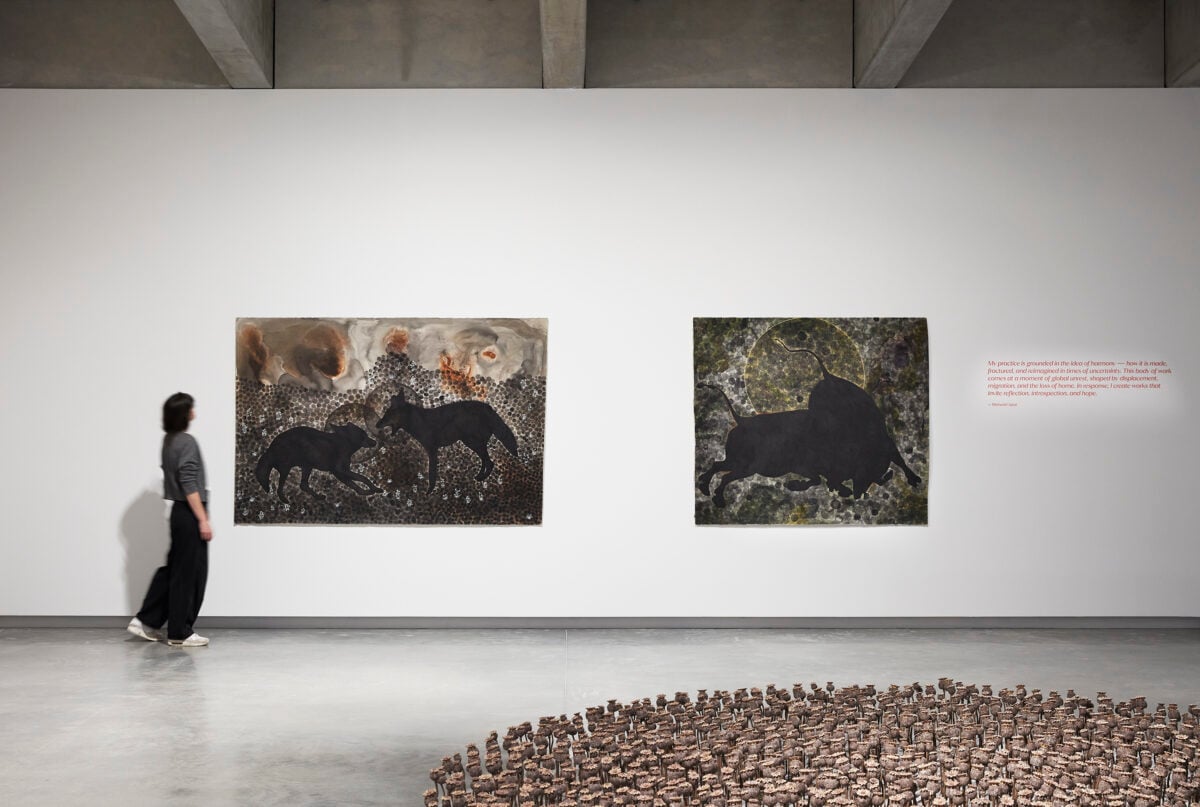
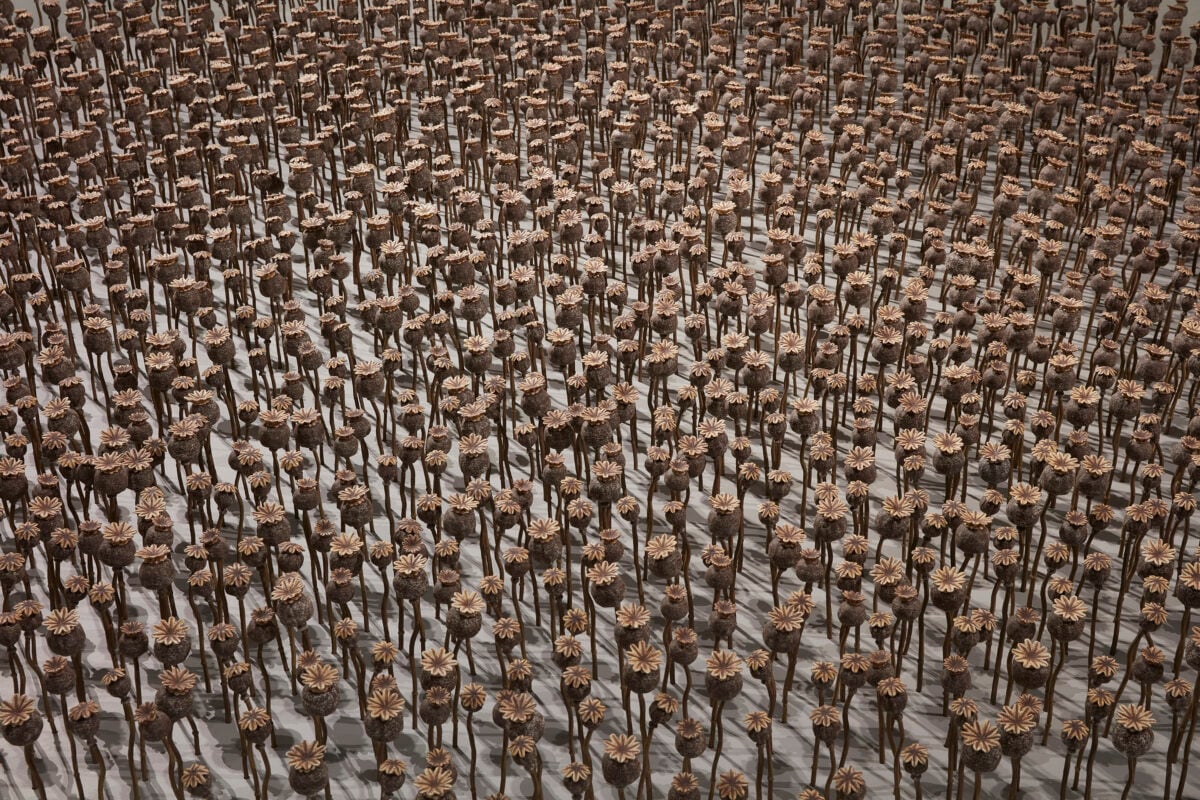
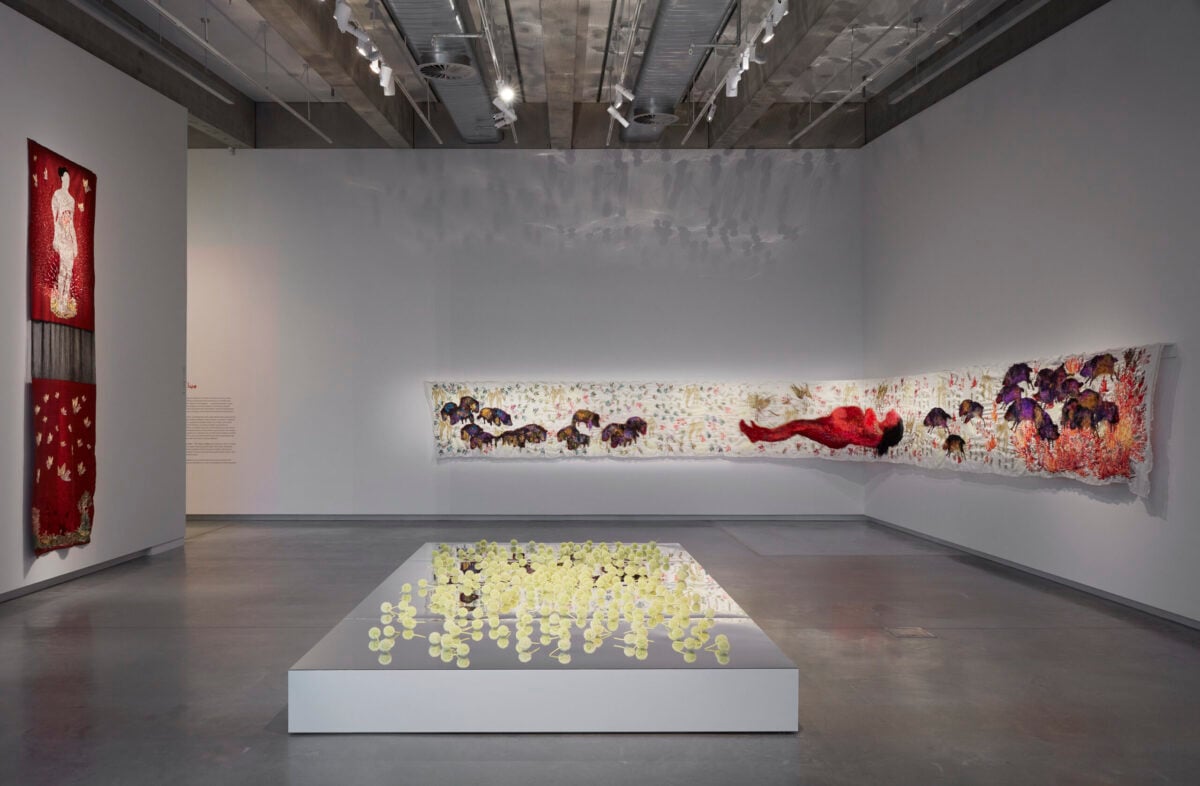
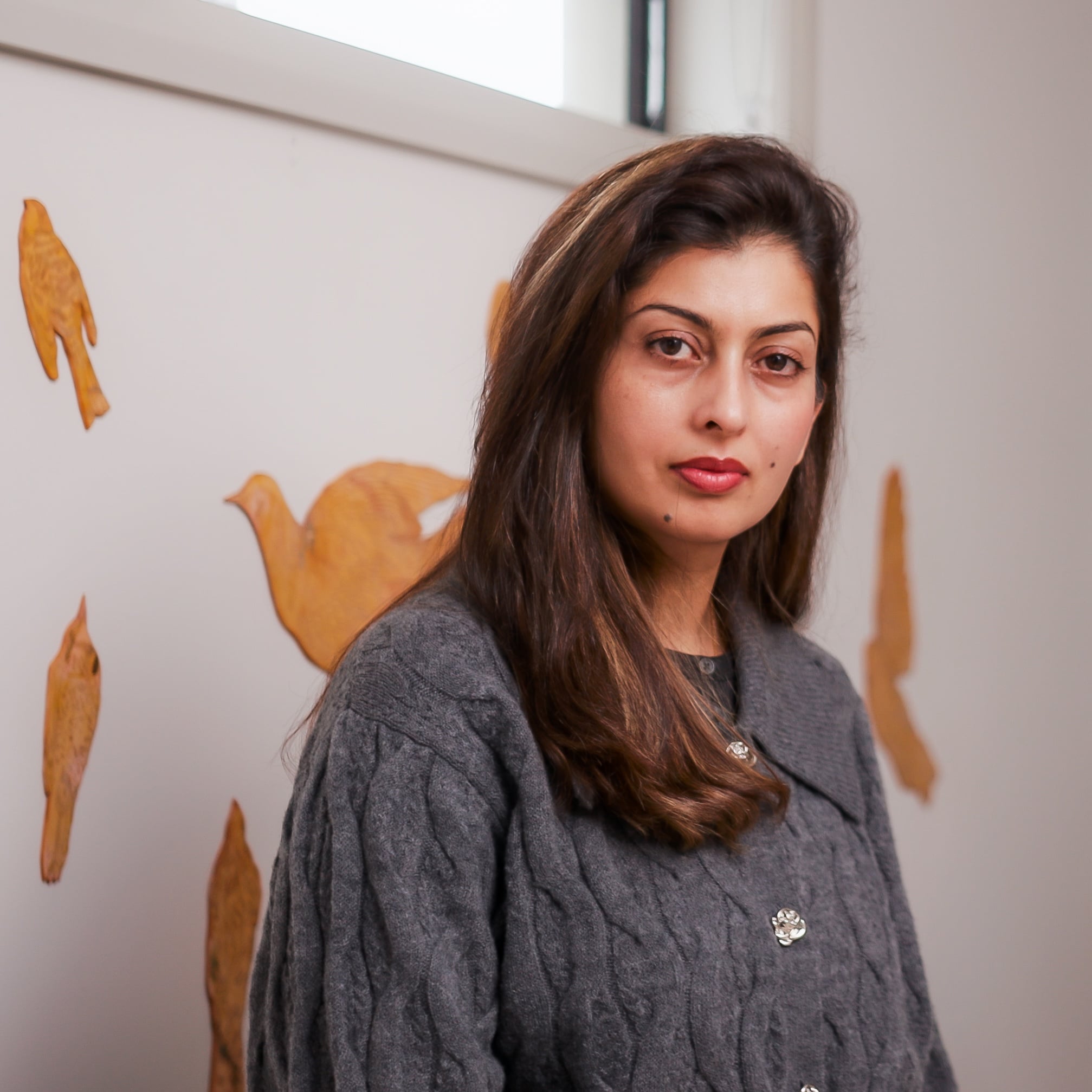
Mehwish Iqbal is a multidisciplinary artist working across painting, printmaking, textiles, ceramics, sculpture and installation. Her practice interrogates womanhood, power, migration, and the fragile states shaped by geopolitical conflict. Through community engaged processes, she creates works that respond to the resilience and vulnerabilities of marginalized people across historical and contemporary contexts. Nature forms a vital thread in her work, where animal symbolism, flora and fauna, and archaic references illuminate the tensions between human agency and hierarchical systems.
Iqbal’s recent achievements include major international residencies such as the 2025 DPA Visual Arts Residency at SAC Gallery (Thailand) and the Cité Internationale des Arts residency supported by the Art Gallery of NSW. She was a 2025 Debra Porch Award and Dyason Scholarship recipient, and her work was aquired in the 2025 Wynne Prize at the Art Gallery of NSW. Her solo exhibition Shifting Ecologies (2025) at Cité des Arts in Paris further marks her growing global presence.
Exhibition Insight
Title, motif & work names
Bait-al-Nahl (بيت النحل) | Arabic for ‘The House of Bees’ – the hive as collective labour, migration and shelter.
Chinar | The chinar (Oriental plane) tree, native to the Himalayas and northern Pakistan and emblematic of Kashmir, symbolising freedom for its indigenous population.
Last Prayer | Refers to the subcontinental Muslim ritual in which women cast individual prayers onto date seeds, sending them toward the departed.
Magarmach | Urdu/Hindi for crocodile.
Naqsh-e-Jahan | ‘Image / design of the world’ (Persian) – also a celebrated historic square in Isfahan.
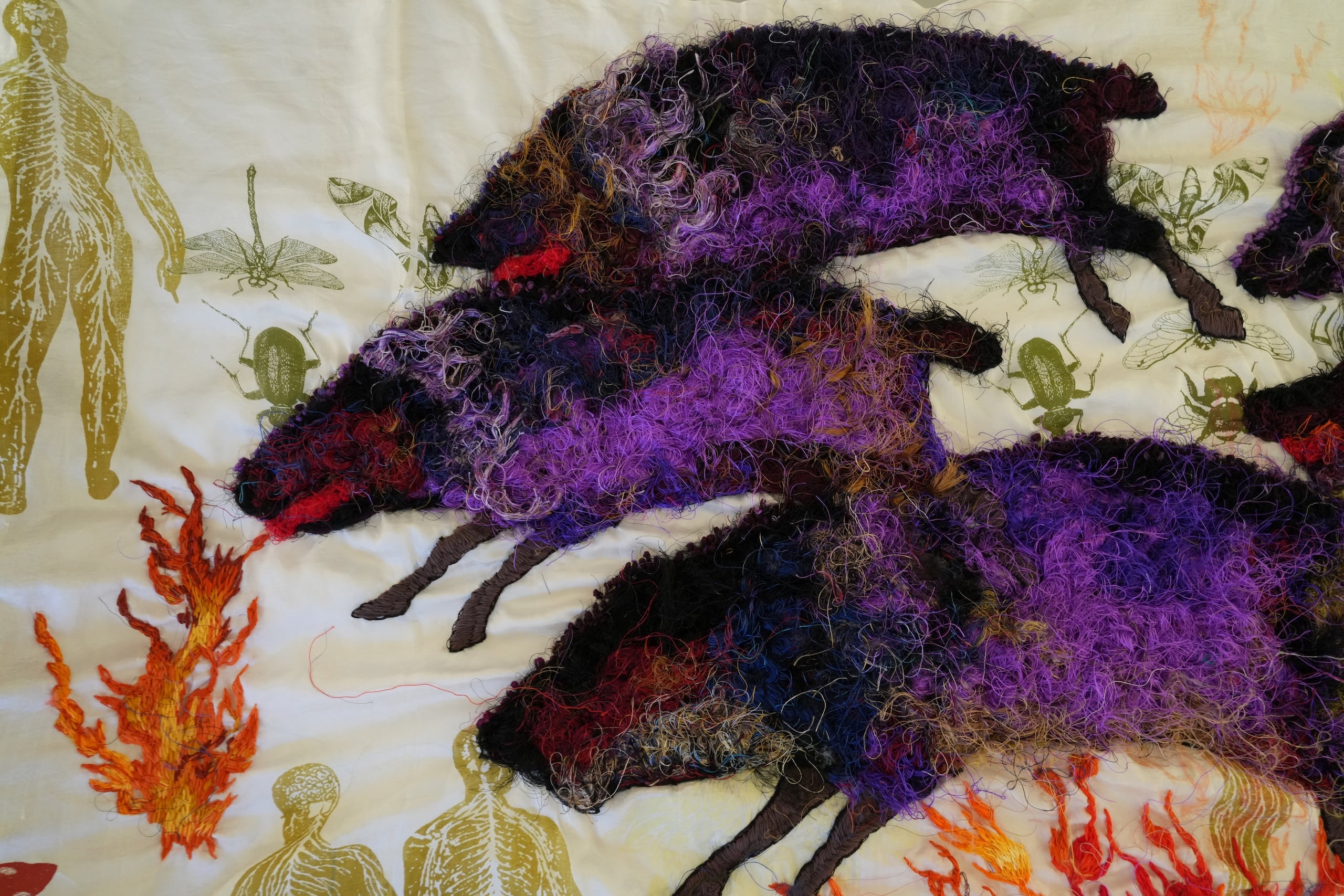
Siah Qalam landscapes | Encounter, Birth of a New Age and Magarmach – monumental landscapes interlaced with wild animals in conflict, revealing how restricted movement and marked territories shape human and natural life.
Materials & techniques
24-carat gold leaf / gilding | Pure gold applied by hand; in Mehwish’s work it sanctifies and elevates its subjects, drawing on traditions of illumination in spiritual manuscripts.
Charkha | A hand-driven spinning wheel used for spinning fibre into yarn. Derived from the word charkh, (Persian) meaning ‘wheel’ or ‘circle.’
Gadh-rang | A traditional pigment / colouring method used in miniature and manuscript painting.
Glaze / bisque finish | A glaze finish is glassy and sealed after a second firing; a bisque finish is left matte and unglazed after a first firing, retaining a bone-like, porous quality.
Hand embroidery on hand-woven silk | Textiles stitched entirely by hand onto hand-woven silk, a material that carries the memory of the human hand in its very structure, worked here with silkscreen, applique and embroidery.
Hand-sculpted porcelain | Fine white ceramic modelled by hand, piece by piece. Several works comprise hundreds or thousands of individually made elements, so that number and repetition become part of the meaning.
Siah Qalam | ‘Black pen’ (Persian): an ancient miniature technique of meticulous dot-by-dot rendering and fine-line brushwork, built up across layers of gouache, ink and gilding, long revered in Asian traditions of painting and spiritual manuscripts.
Silkscreen | A printmaking method in which ink is pushed through a fine mesh screen to transfer an image, layered here with embroidery and gold.
Opening Weekend Talks
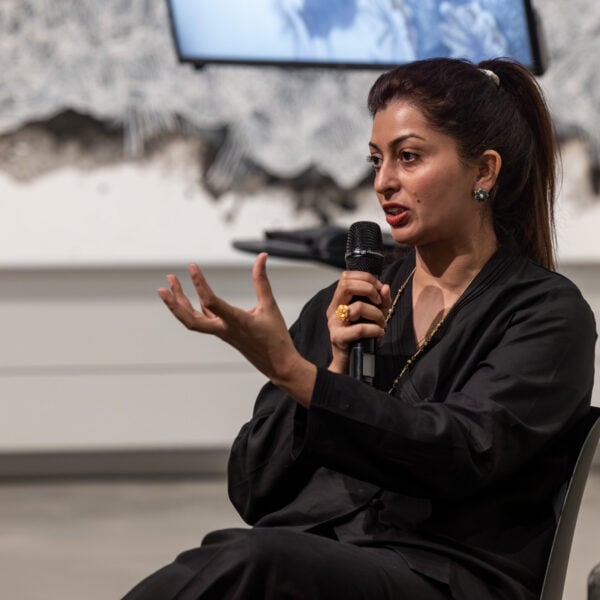
In Conversation: Mehwish Iqbal
Mehwish Iqbal shares the stories behind Bait-al-Nahl – The House of Bees in conversation with Rachel Kent
ListenAccess
Bait-al-Nahl – The House of Bees is an accessible exhibition with several resources available at the Art Museum Reception. Visitors are advised that this season is a 90% visual exhibition, predominantly featuring painting, sculpture and film.
Large Print Guide
Large print versions of the exhibition text are available to borrow from museum reception.
Tactile Materials
Tactile materials that support the experience of the exhibition are available to visitors at the museum reception.
Sensory Map
The sensory map for Ngangkaṟi Ngura – Healing Country includes information specifically on the Art Museum and exhibition, noise and lighting levels and other information relevant to sensory processing.
Please contact the museum staff if you have any questions about the exhibition.
Phone: +612 4422 2100 | Download the Sensory Map
Audio Descriptions
Audio descriptions are available for a selection of works in the exhibition here. For support in accessing the descriptions below, please speak to the gallery reception staff.
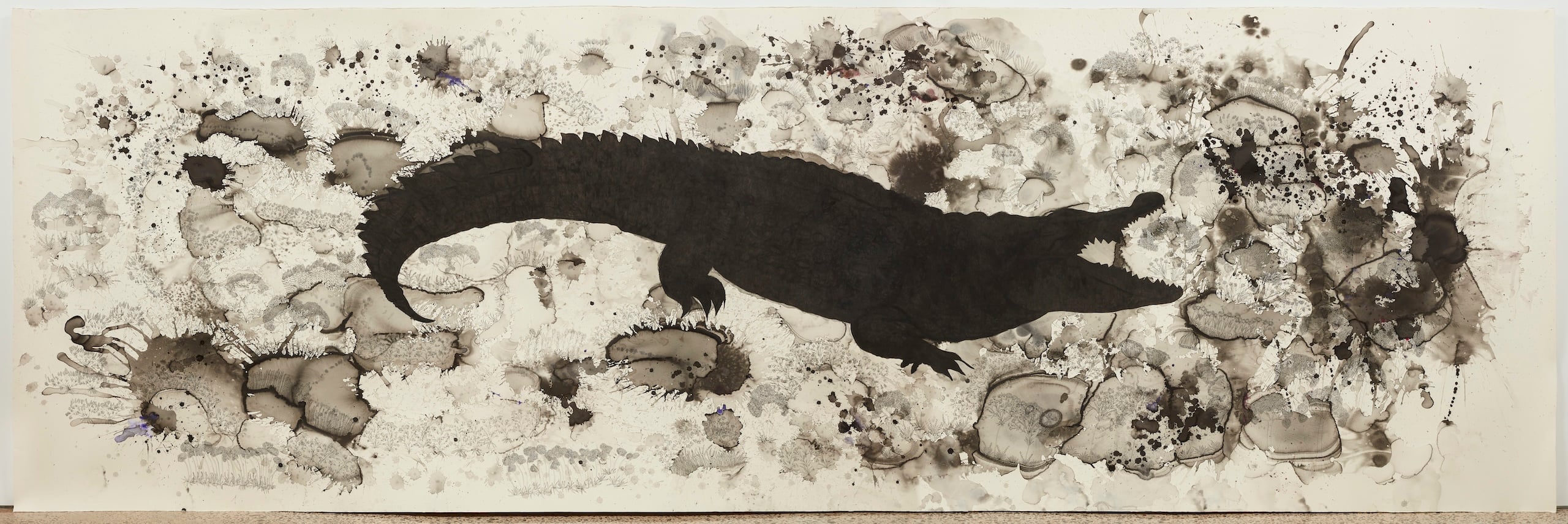
Mehwish Iqbal, Magarmach, 2025-26
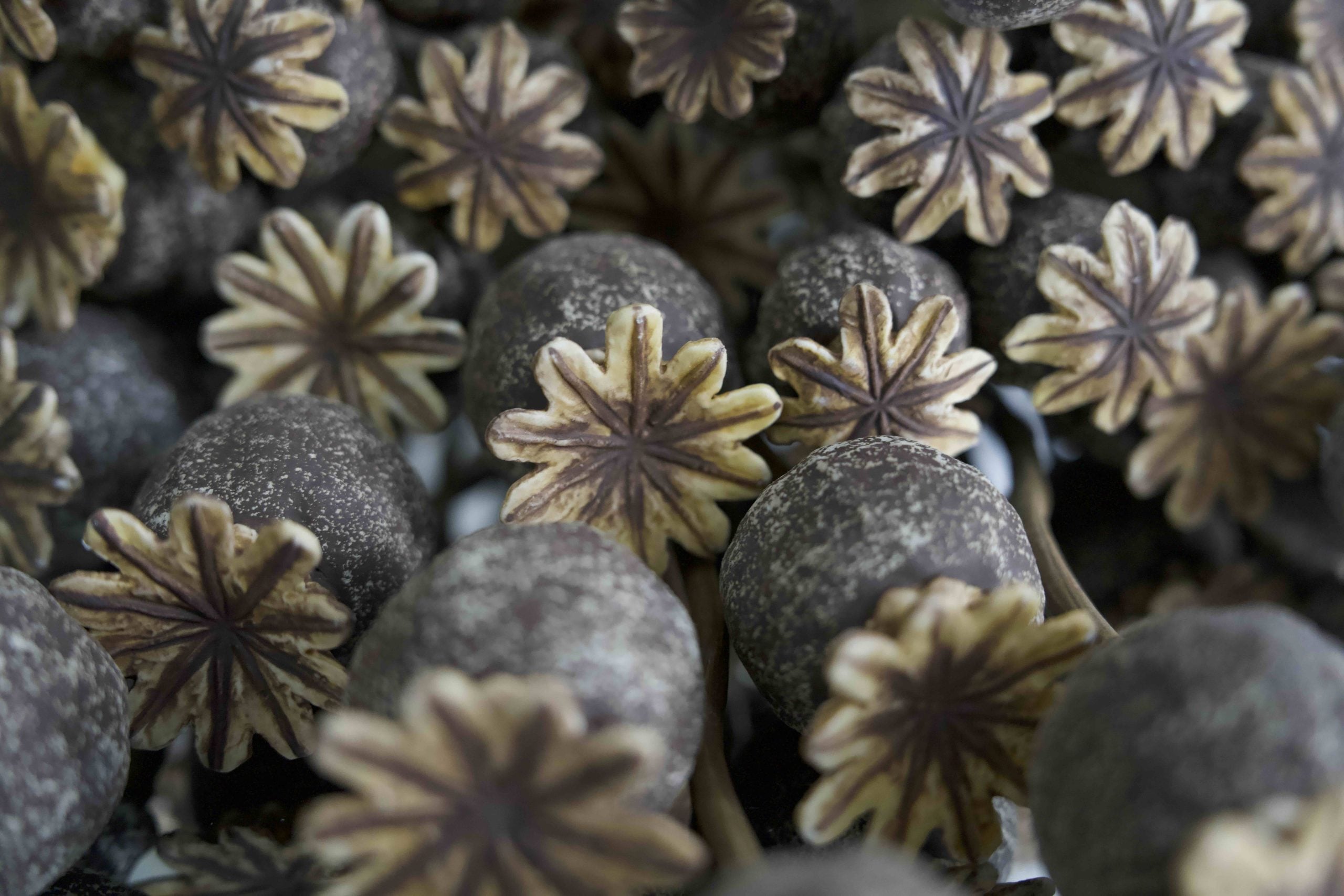
Mehwish Iqbal, A Poppy Crop, 2026
Seating
There is a small amount of seating in the exhibition. Individual seating is also available from museum reception, please speak with the friendly staff if you would like extra seating to experience the show.
There is a wheelchair available to borrow from the museum reception.
Related Exhibition