On the 6th of January 2020, the skies in Aotearoa/New Zealand glowed an eerie orange. I was flying at the time and became fully immersed in this hazy atmosphere. Looking out of the window, the ground, horizon, and sun had disappeared; instead, my vision was suspended in a golden, smoke infused hazy light. Compelled by the strangeness of this apocalyptic sky, I photographed it, wanting to capture the intensity of this visual disorientation. Over the following days, like everyone else in Aotearoa, I witnessed this unsettling phenomenon as our atmosphere was transformed.
Just 2,224 km away, Australia was being ravaged by what would become known as the Black Summer fires. Between 2019 and 2020, fires scorched over 24.3 million hectares of land, destroying homes/communities, and devastating ecosystems. What we experienced in Aotearoa was the atmospheric trace of that devastation. Fine dust particles had travelled across the Tasman Sea and were diffusing the light coming through the atmosphere.
These particles did more than tint the sky but they altered our ecosystem. This was made evident when the dust drifted southward and settled on glaciers, transforming their crystalline surfaces to a golden brown. I set out to make a trip to the site, but unfortunately I could not get there fast enough to witness the event myself. However, seeing the images of the transformed glacial environment troubled me greatly as it defied my expectations of climatic events in terms of scale and severity.
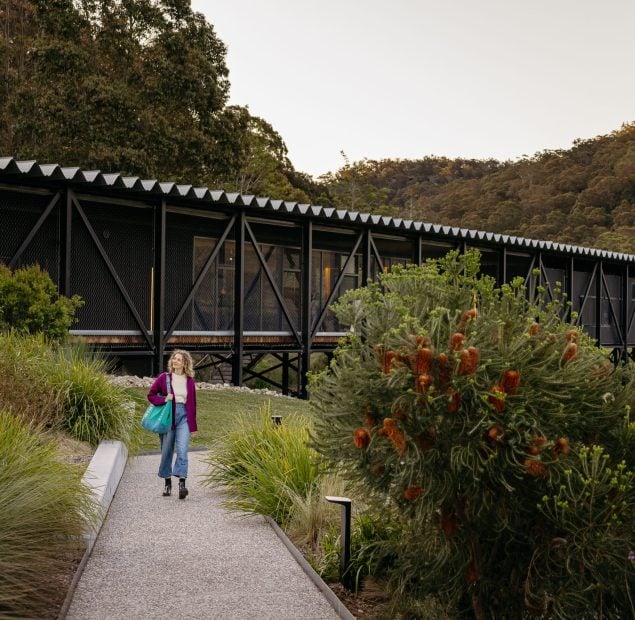
I continued to research this phenomena and learned about Dr Phil Novis’s research where he actually collected and examined the dust residue from the glaciers. Through his analysis of the dust it became clear that the sample shared the characteristics of its Australian source and likely arrived during the November 2019 depositional event. This is the same period when fires were rapidly spreading through Morton National Park and advancing toward the outskirts of Nowra/Bundanon. This constellation of interconnectedness between Australia bushfires, the glaciers, and the location of the residency programme would become the foundation for a 2025 project in Bundanon.
I was fortunate to be gifted a portion of this dust — a physical trace of a moment where geographical distance was suspended. Fast-forward to November and I was standing at Australian customs, hoping my small vial of dust would be allowed through. Once its inoculation was confirmed, they waved it on. I left feeling relieved — my project was still viable, and the dust had arrived home.
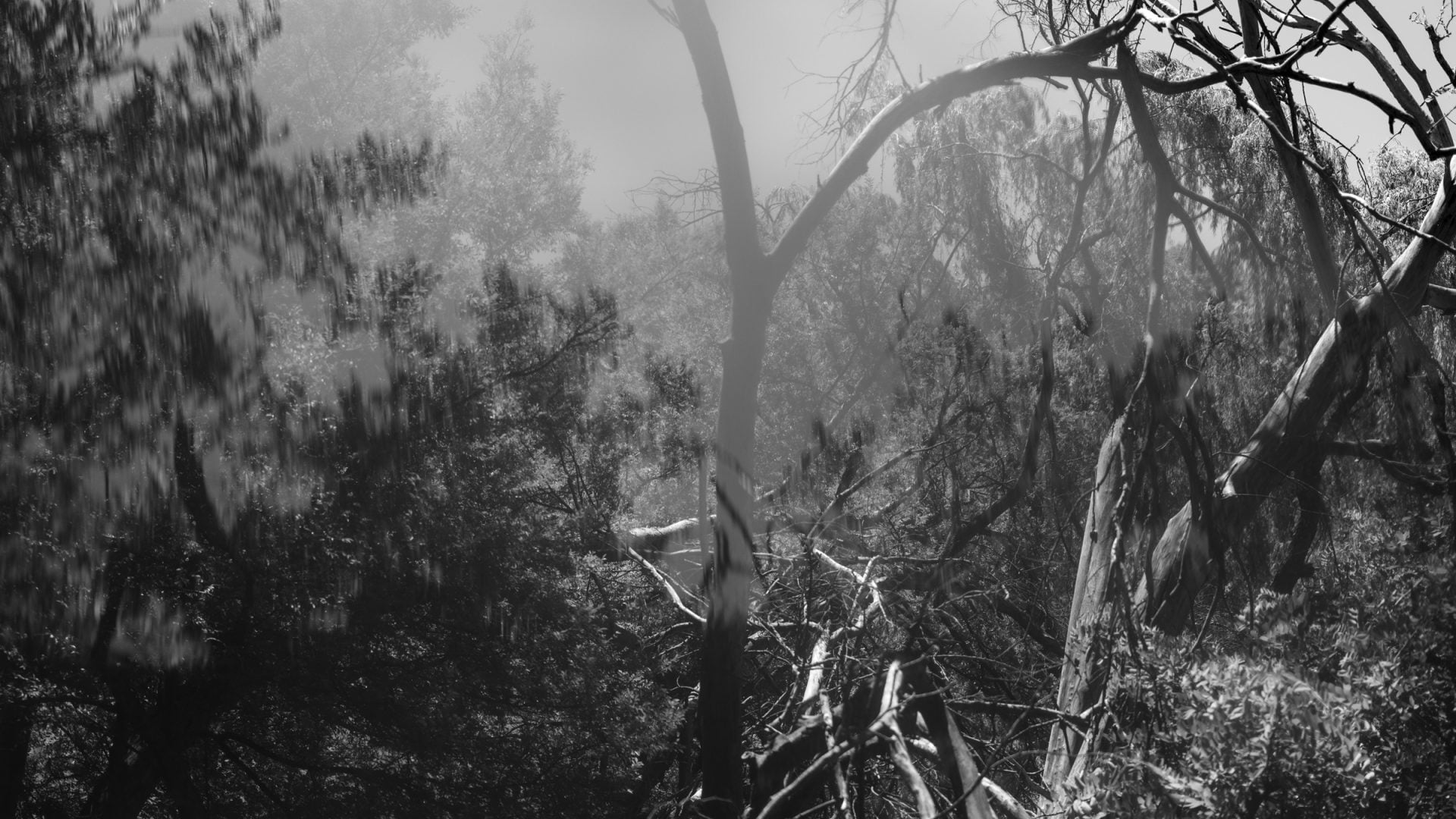
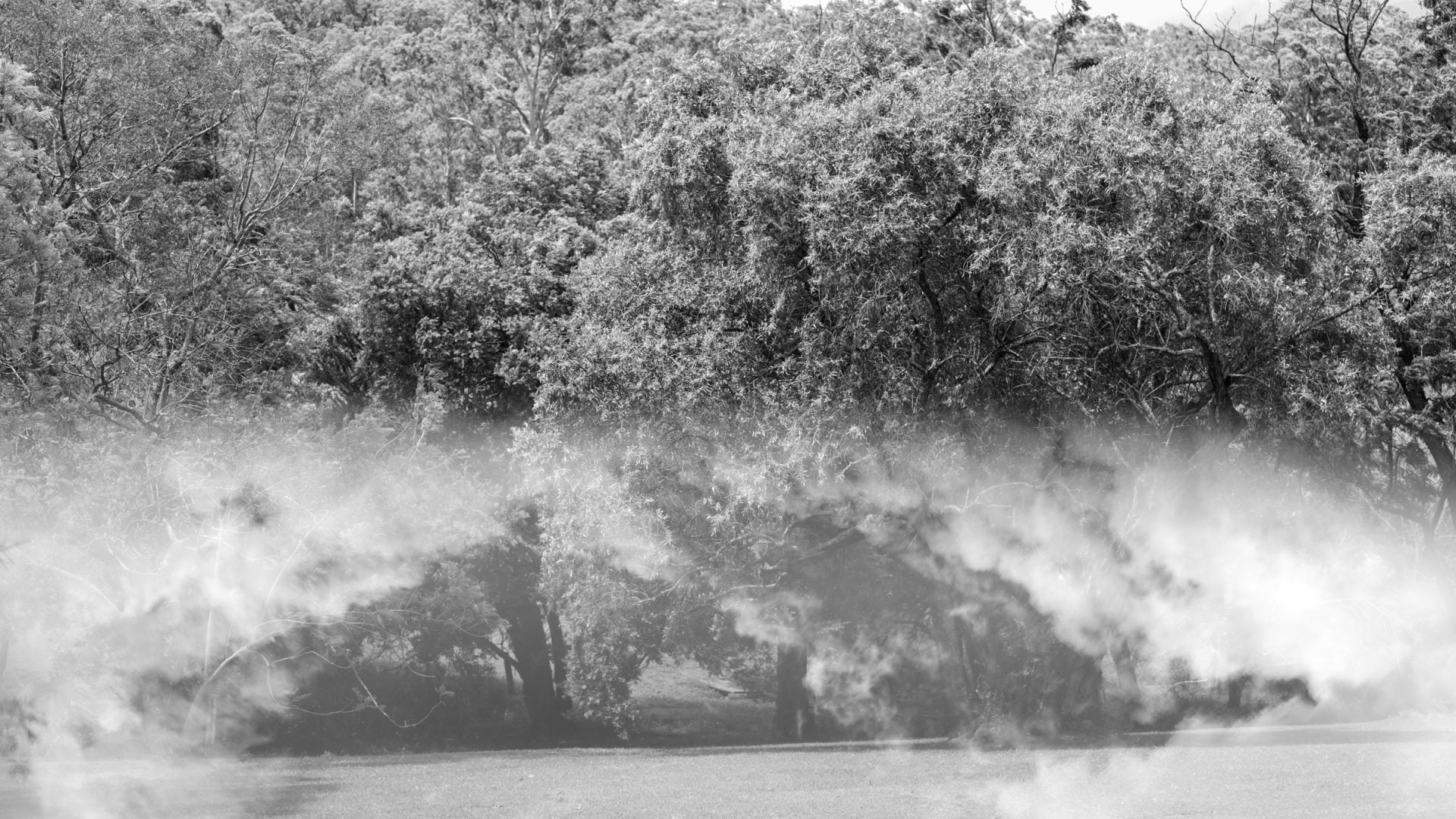
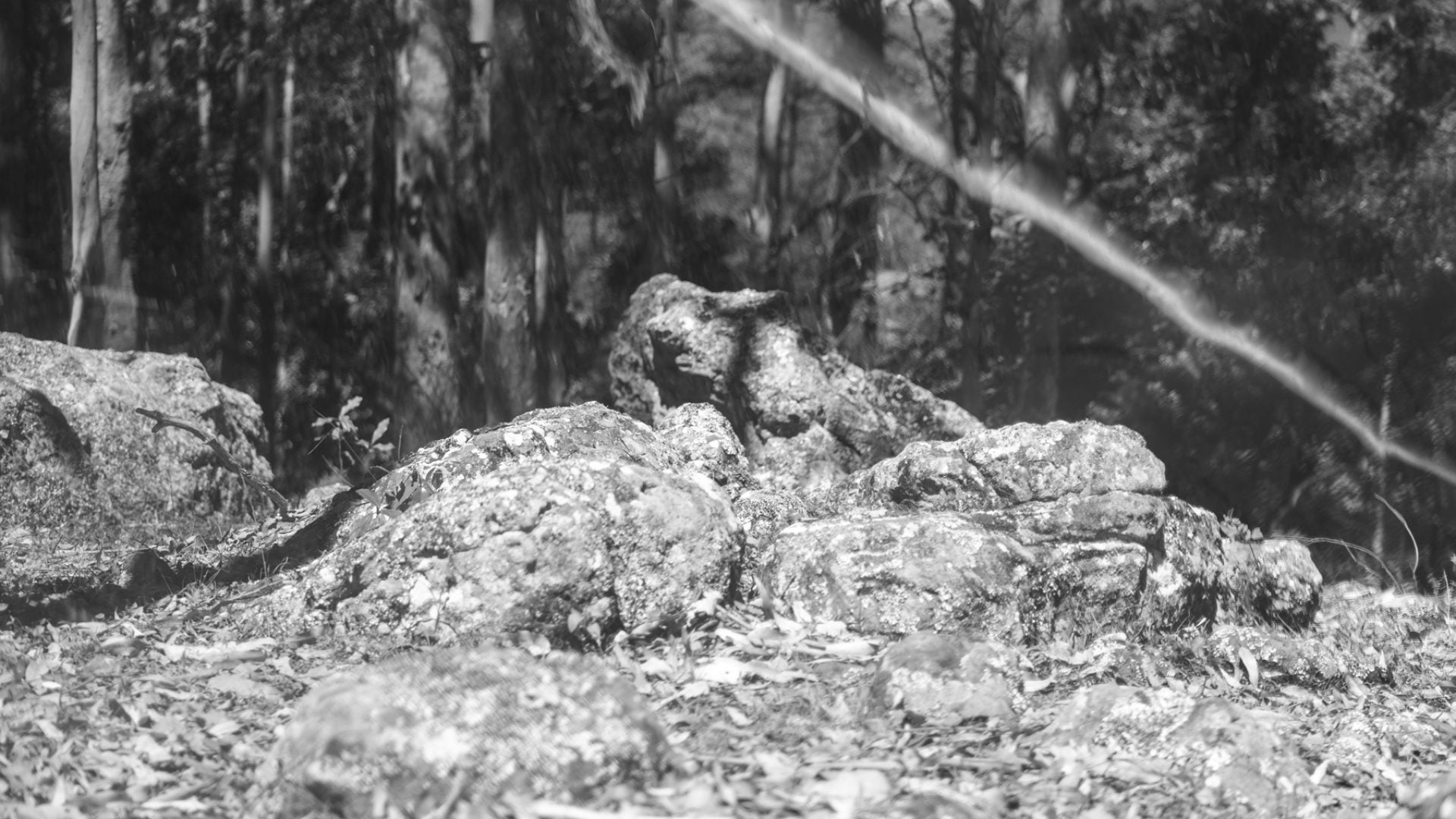
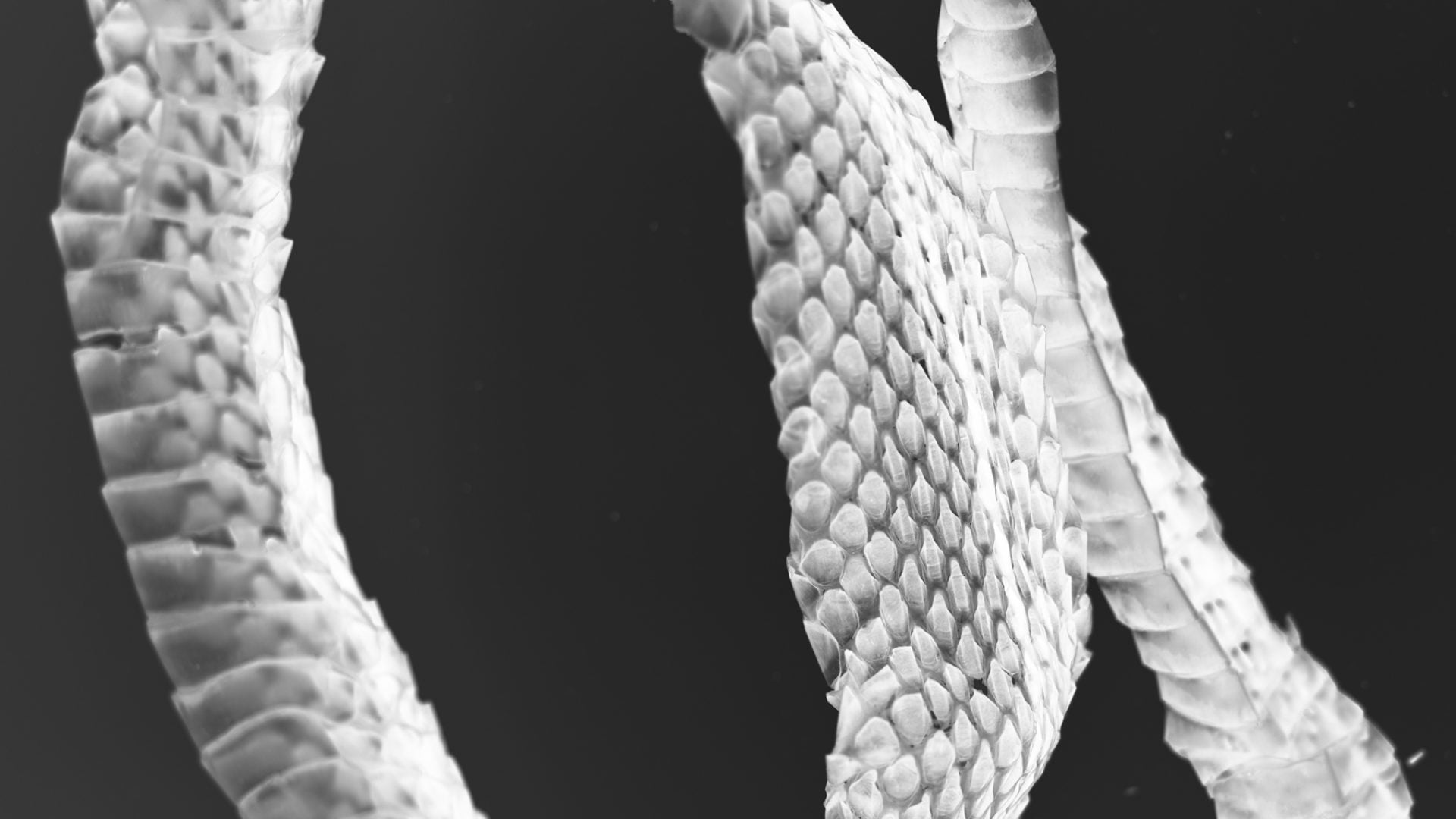
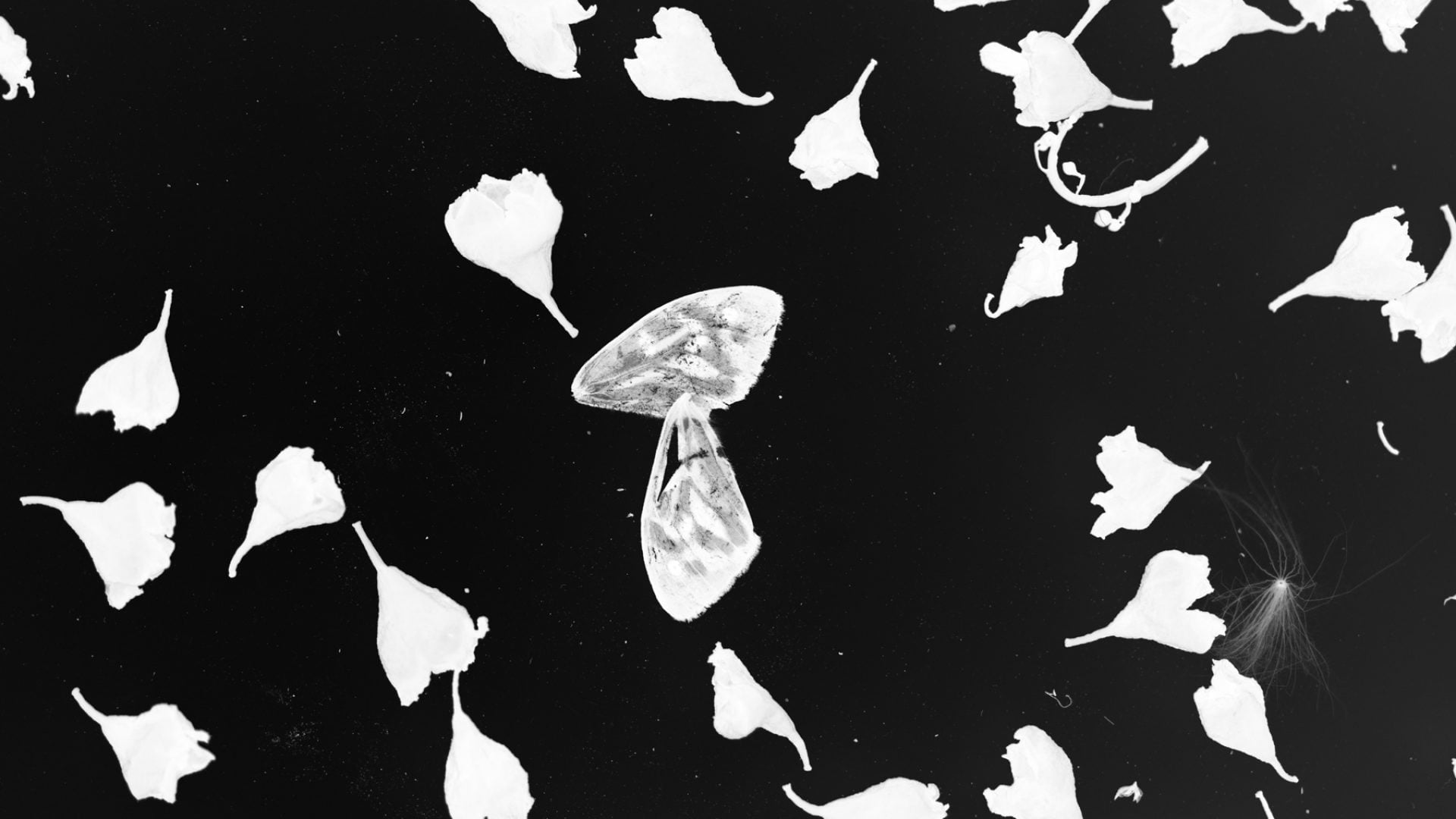
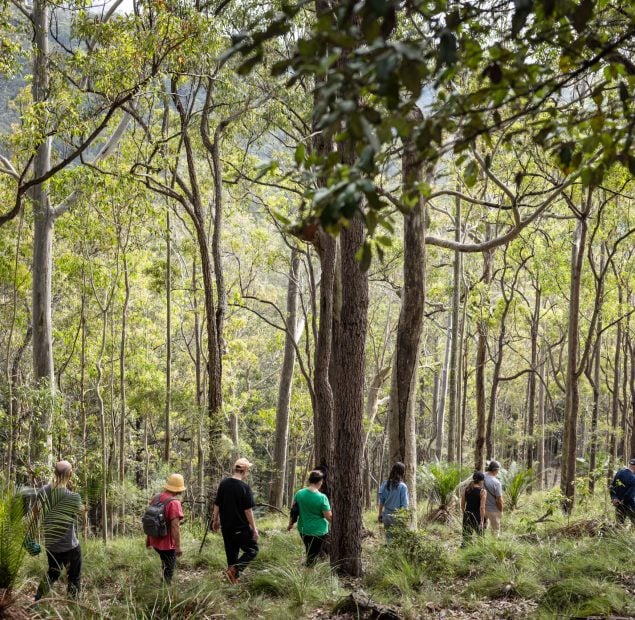
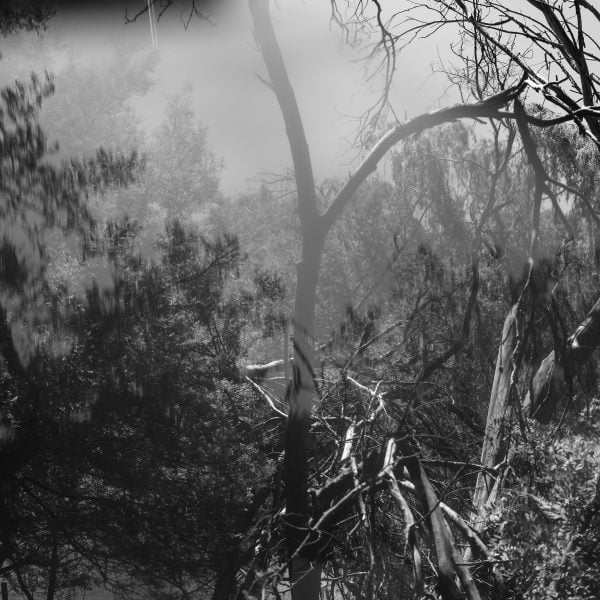
During my time at the Bundanon residency, I worked with this dust as a material and experimented with ways of embedding the dust directly into photographic processes. This included coating the camera lens, pre exposing film, and constructing landscapes. Using the dust as a filter subtly distorted the landscape before the camera, giving the images a otherworldly quality. The dust was once again filtering the light, subtly altering the viewers perception of the bush and the landscape surrounding Bundanon. What began as a simple gesture — allowing dust to mediate a photographic encounter — became a means of connecting with the past and present. These images are hard to pin down; they subvert traditional landscape conventions through their blurry configuration, bringing a sense of mystery and sensuousness. Other images were made by using a handheld scanner to capture the surfaces of tree trunks. These slices became landscapes in themselves, creating a sense of vastness and wonder within the more-than-human realm.
I am still working through the imagery, and have more photographs to make, but I feel energised by the possibilities unfolding. In the past, I have encountered tension between my studio practice, fieldwork, queer identity, interest in science, and ecological concerns. This project, however, has opened a new way of working—one in which the queering of time and the subversion of photographic conventions are inseparable from an ecological focus. It feels like a method of making where these tensions no longer compete, but instead inform, complicate, and expand one another.
Although Bundanon and the New Zealand glaciers are geographically and ecologically distinct, they are united by climate change and its increasingly extreme manifestations. This project offers an artistic response to that connection, using photography and material trace to foreground the fragile interdependence of environments shaped by both natural and human‑driven forces. In doing so, it invites viewers to consider how atmospheric events can bind distant places, and how visual practice can help us witness—and remember—these serendipitous yet deeply consequential moments.