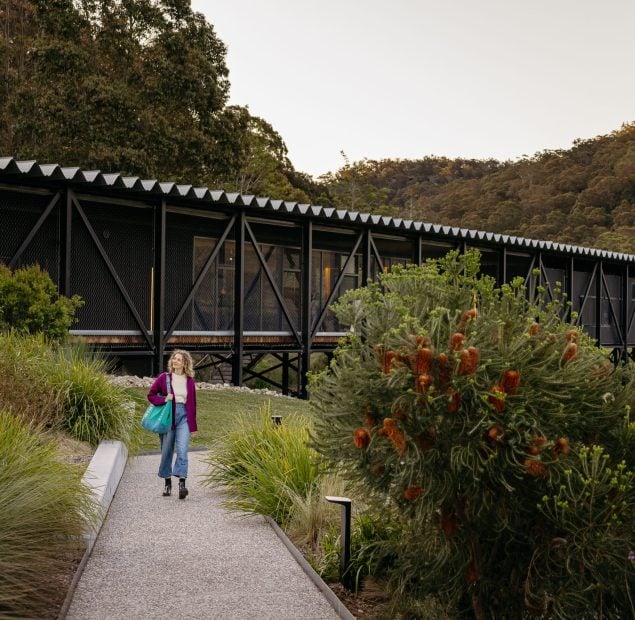
When I arrived at Bundanon, I was looking forward to returning to a familiar landscape. My last residency here was in 2008. I knew the Black Summer fires had come perilously close to the property and wondered what traces remained. Fire has become a recurring thread through my practice—not purely as a destructive force, but as a way of thinking about trauma, transformation and the role of creativity in transforming rupture. Across both my studio and socially engaged practice, I am interested in how materials hold history, and how acts of making transform that history into new forms of knowledge.
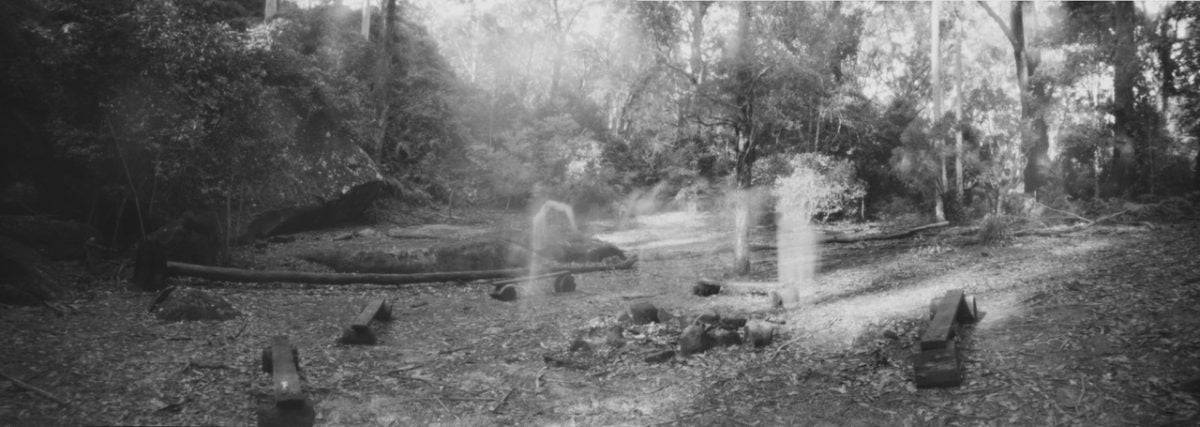
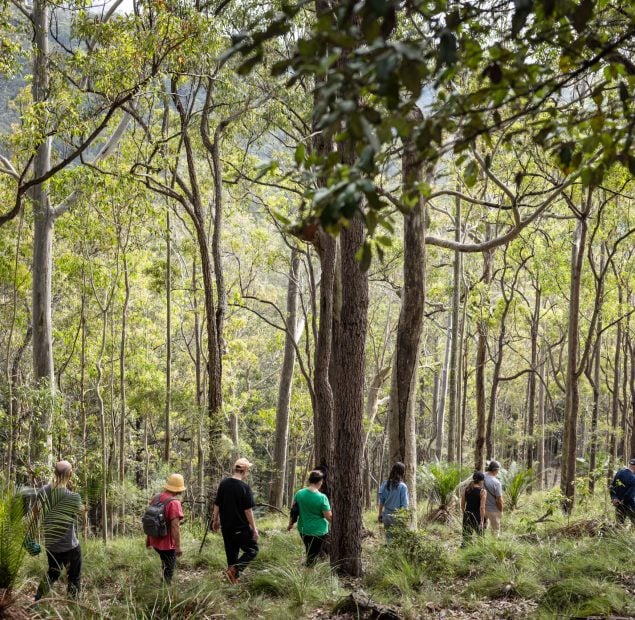
The residency began with a Welcome to Country and smoking ceremony using native cherry (Mumadha in Dhurga), whose soft ash became the source of my first drawings. From then on, I walked the property each day, noticing and collecting: fire scars, ash, bark, leaves and the material traces of fire and regeneration.
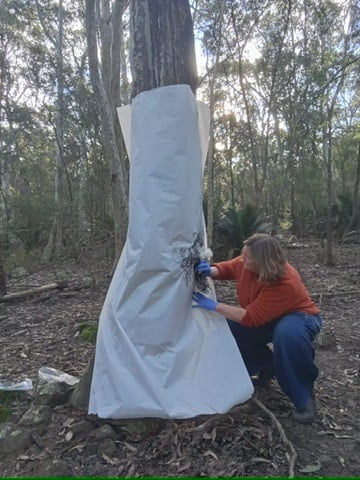
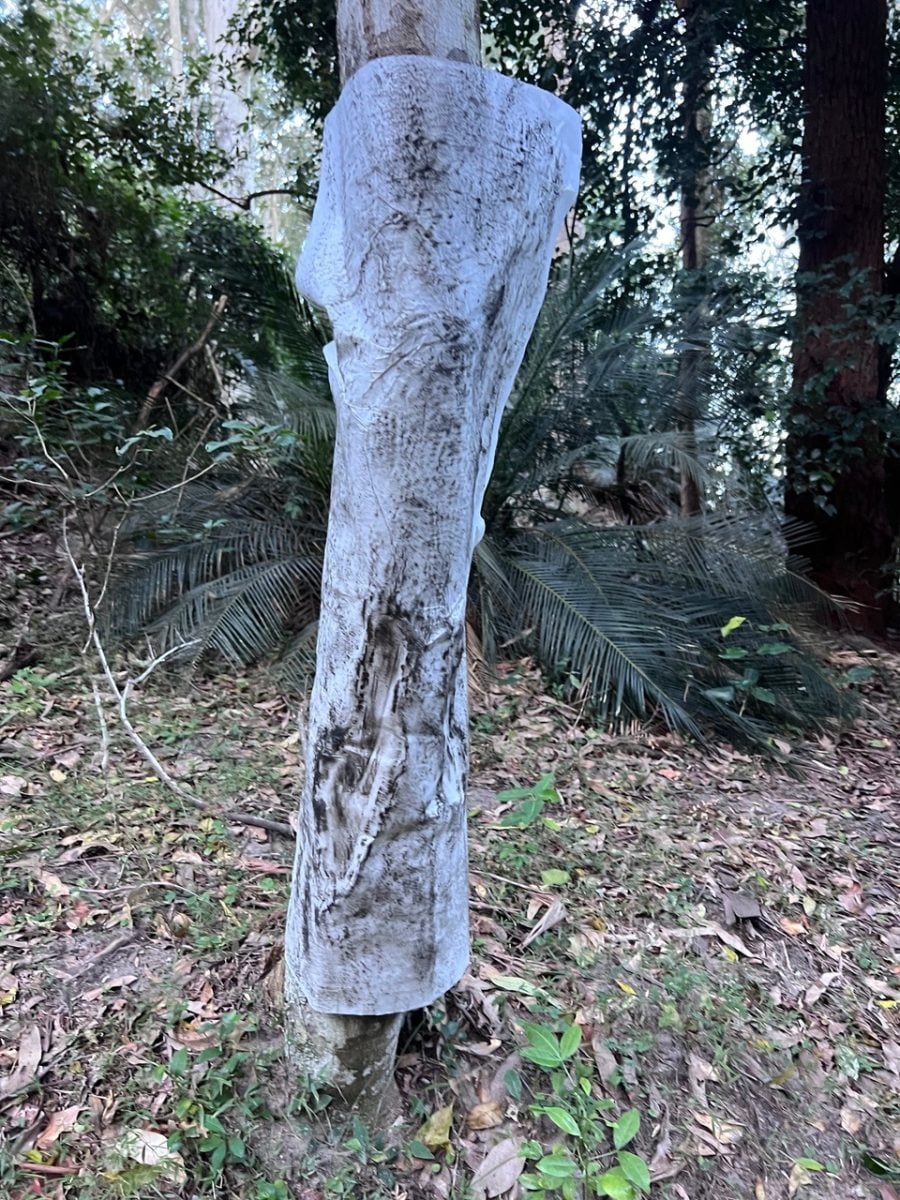
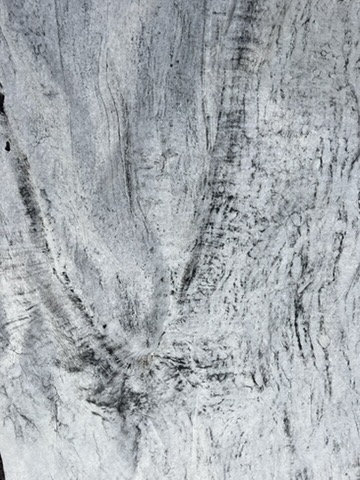
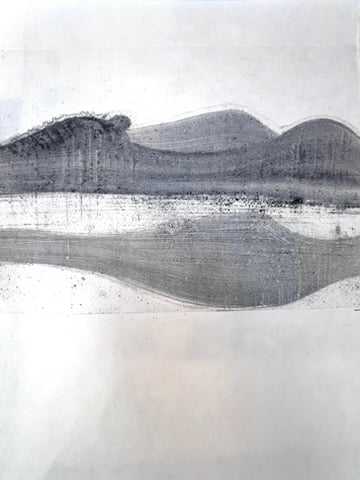
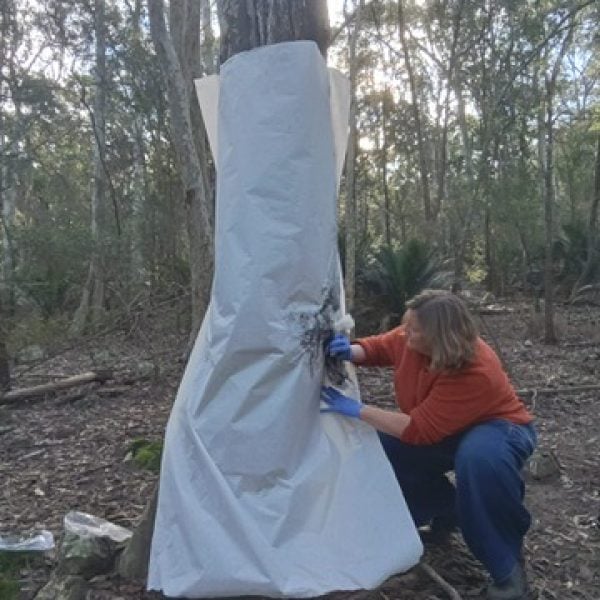
A turning point came beside the Shoalhaven River with fellow artist R. While deciding whether to brave the bull sharks for my daily swim, we noticed what looked like small black pebbles scattered along the shoreline. They were fragments of charcoal carried downstream from the Black Summer fires. I collected them, mulled them into etching ink, and used that ink to make life-sized rubbings from fire-scarred trees. Before doing so, I spoke with Jerome Comisari, Cultural Liaison Manager, to ensure I worked only with trees bearing environmental, rather than cultural, scars.
The charcoal became more than a pigment: it was a material trace of the fires—weathered, carried by water and returned to the landscape where I encountered it. Rather than making work about landscape, I began making work with it. Material was no longer simply the medium of the work; it became its origin, its archive and its witness.
The conversations that unfolded around the studios, on walks and over shared meals were equally formative. Time spent with fellow artists, Bundanon staff and First Nations practitioners reinforced the importance of listening before making, and of understanding material as entangled with the histories embedded within it.
Bundanon changed my practice methodologically. Printmaking has become less a means of representation than a way of discovering knowledge through material transformation. I now begin with a place—walking, observing, collecting and experimenting—allowing the work to emerge through a dialogue with the materials at hand. The residency gave me a methodology that continues to shape Ashen Topographies and my practice beyond Bundanon.