Bringing Arthur Boyd’s iconic 1960s series into dialogue with a major new commission by contemporary artist Shaun Gladwell
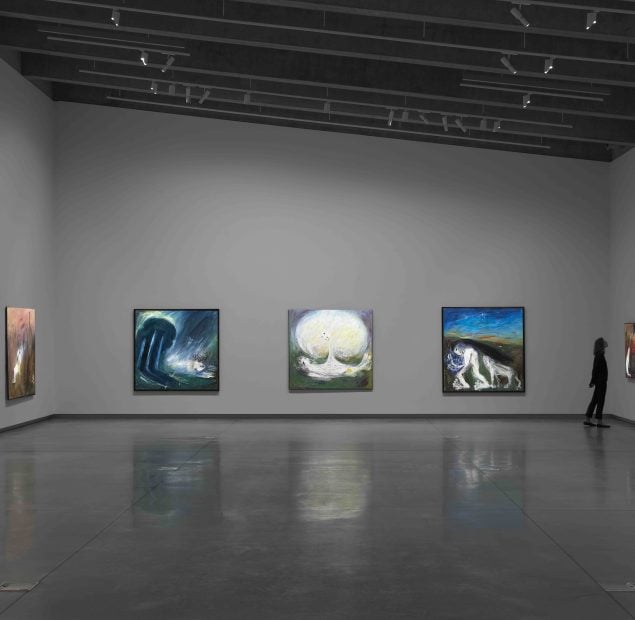
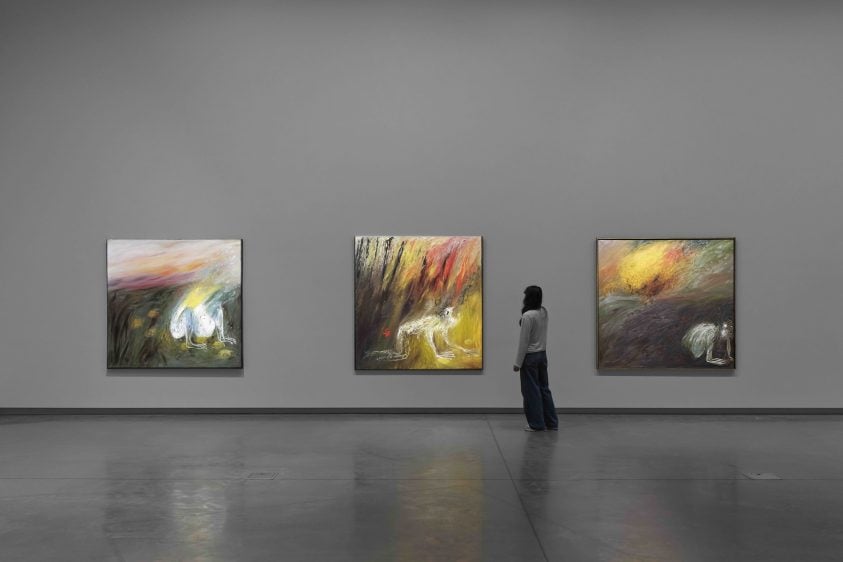
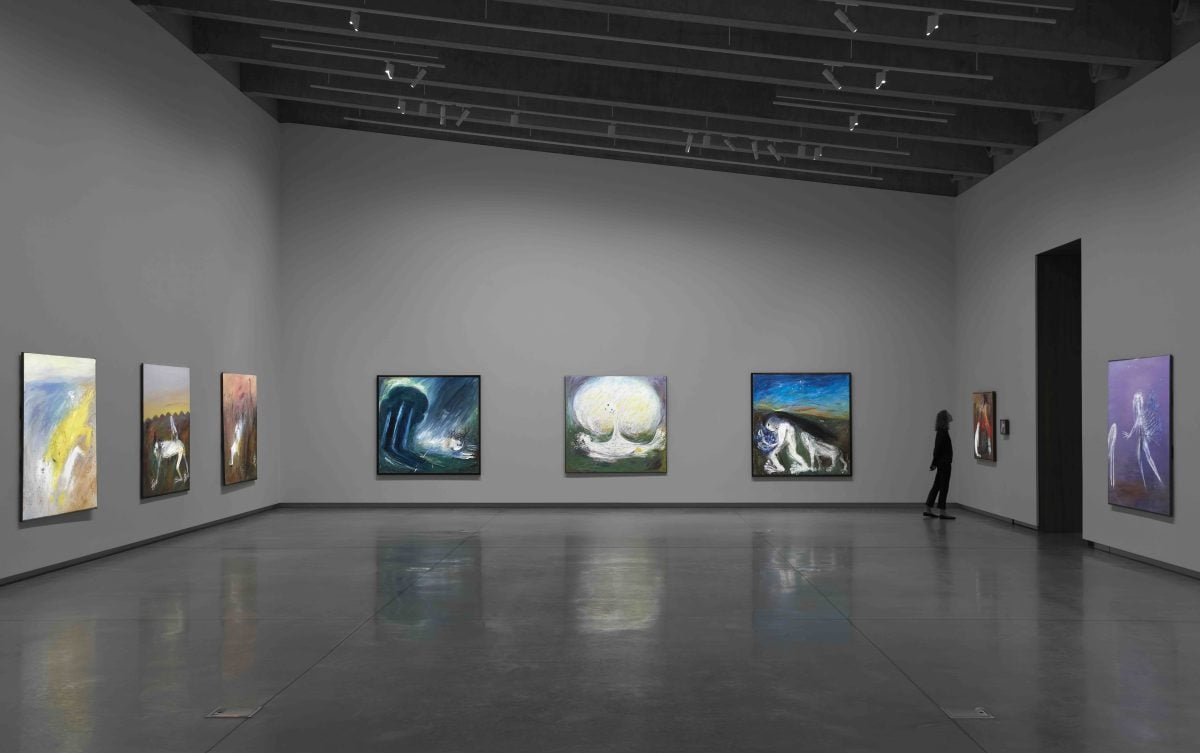
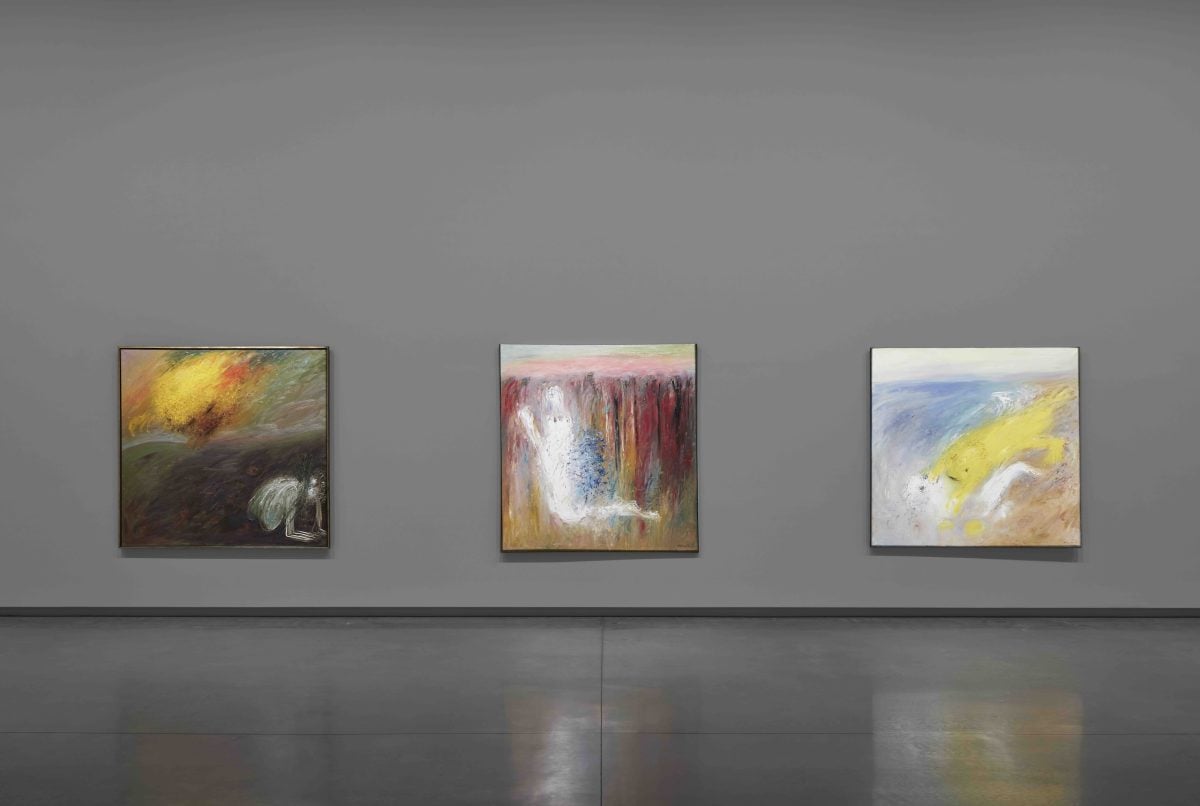
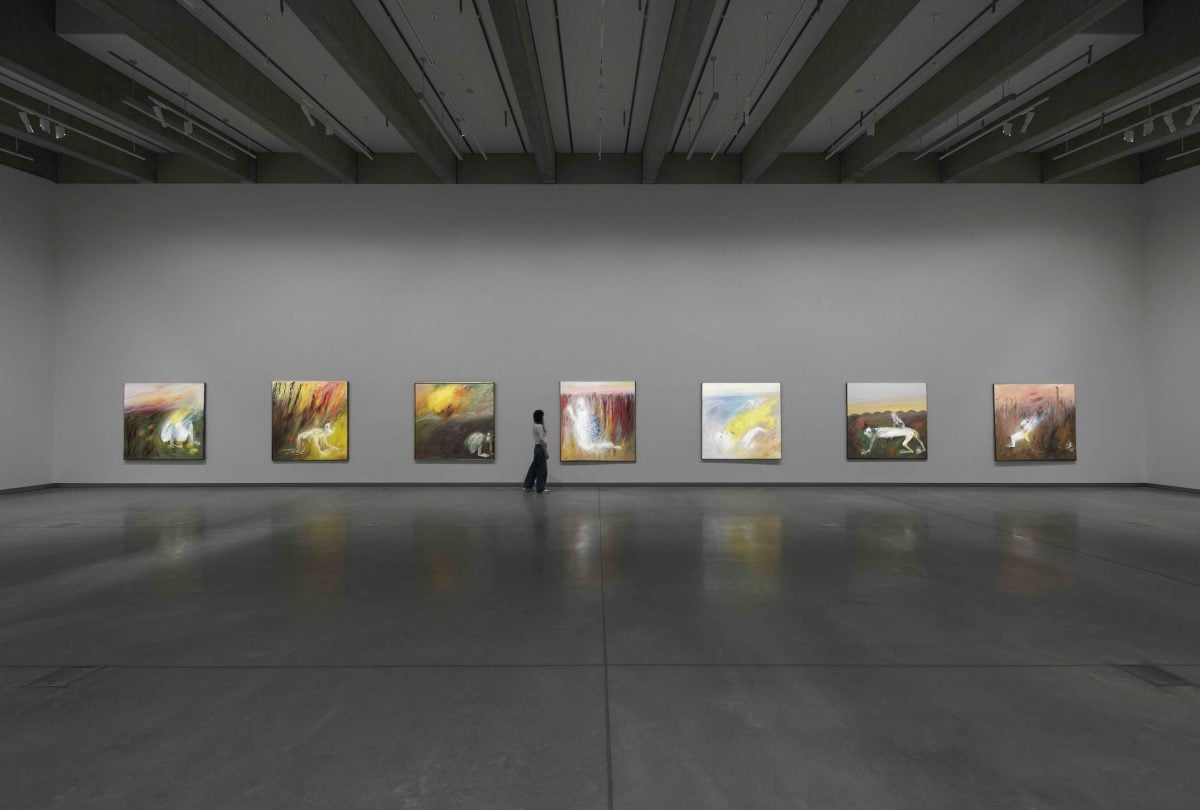
Boyd’s paintings depict the Old Testament story of King Nebuchadnezzar, who, exiled by God for his unchecked pride, was condemned to live as an animal in the wilderness for seven years. This allegory of a powerful man, fallen from divine grace yet redeemed through transformation, was the vehicle through which Boyd could explore ideas of masculine power and inheritance. Boyd was a pacifist and humanist, and this substantial series of works articulated his deeply felt protest against the Vietnam War.
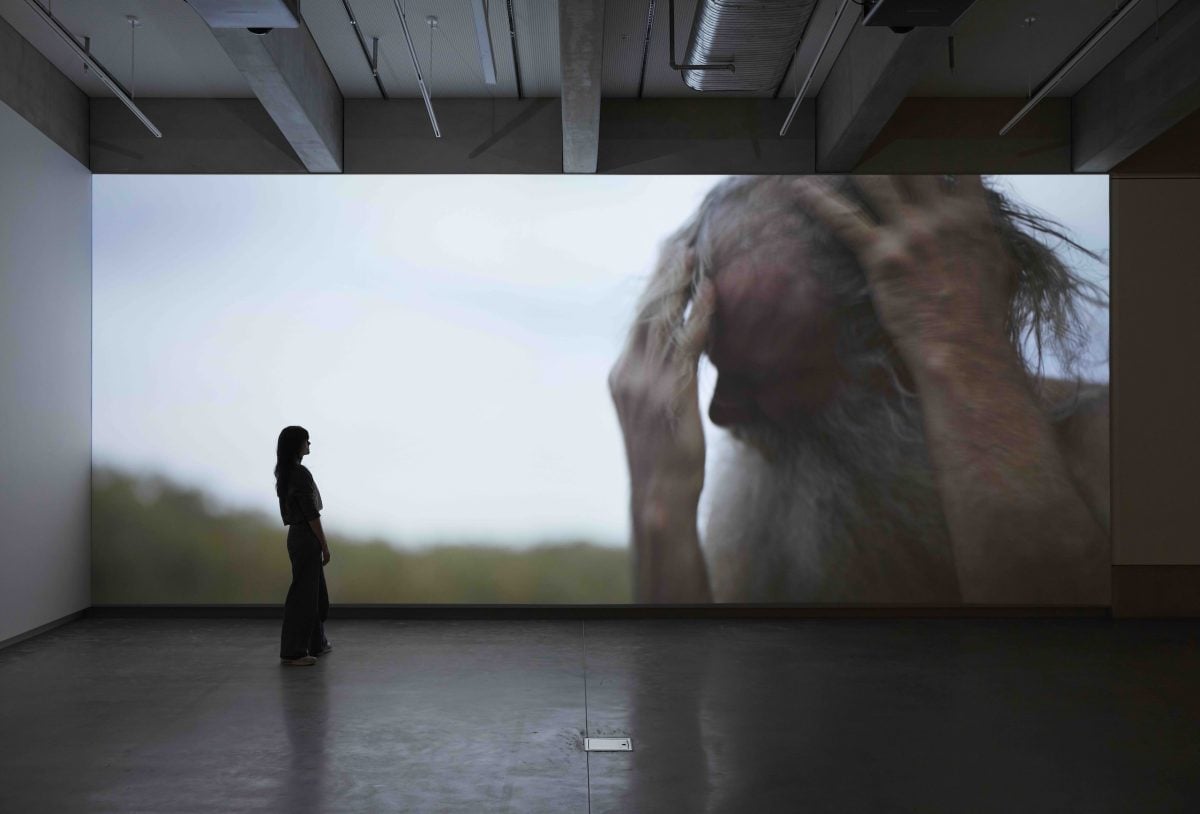
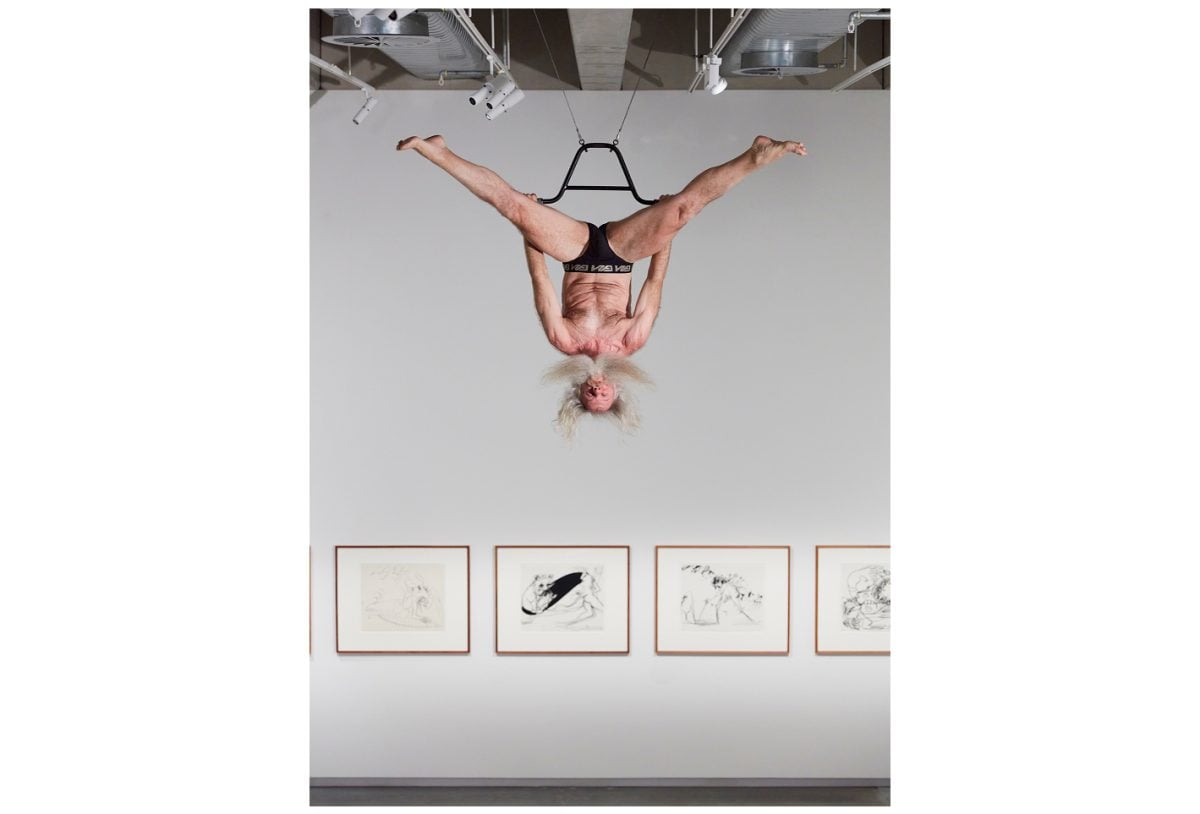
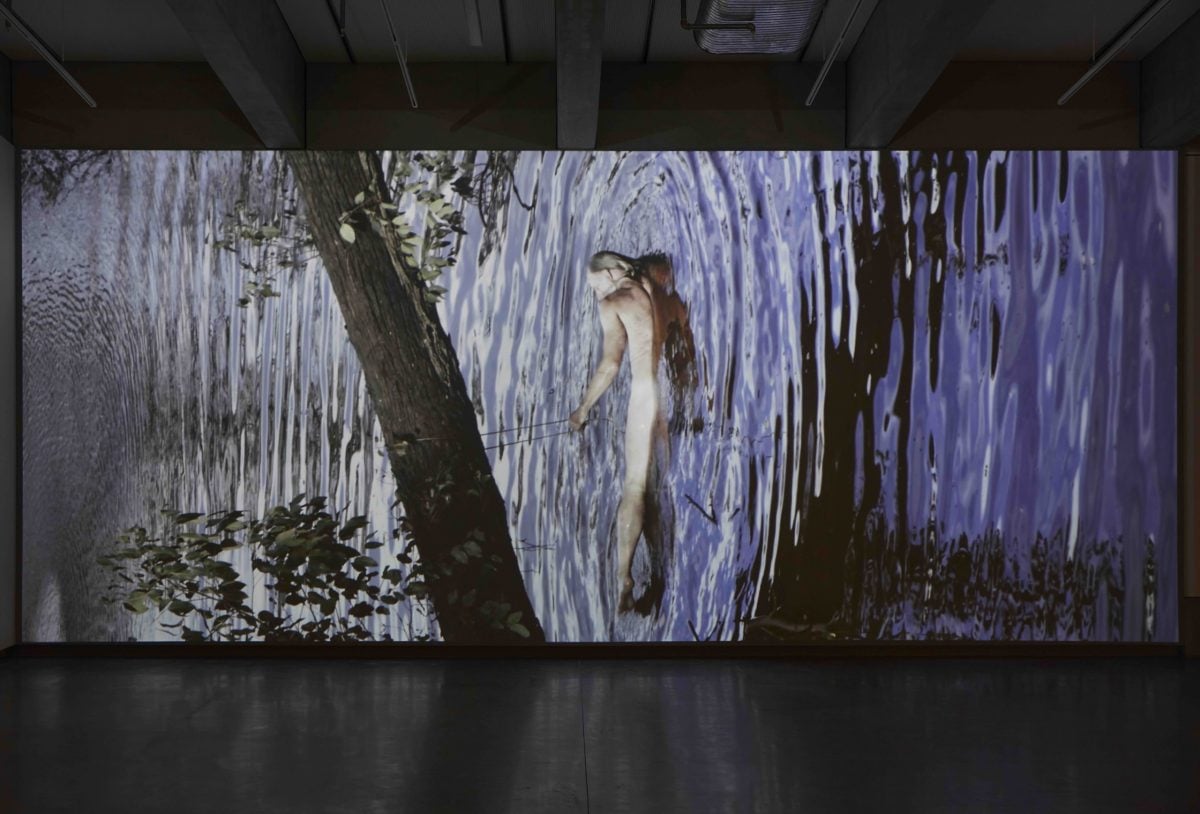
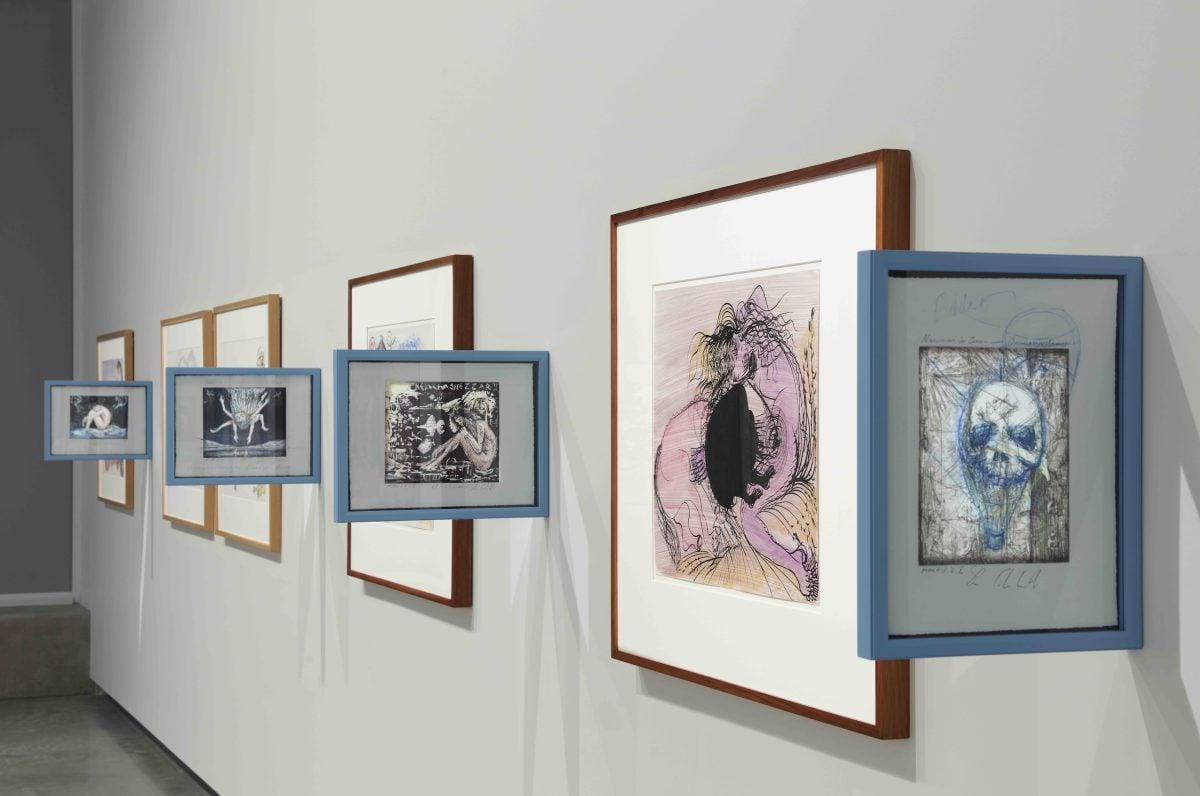
With a longstanding interest in Boyd’s practice and familial roots in the Shoalhaven, Gladwell has responded with an ambitious body of work, reimagining Boyd’s paintings through the moving image, performance and works on paper. Drawing on diverse art historical references, Gladwell presents a solitary man abandoned to the powers of the natural world; stripped of everything human, he too struggles in the throes of transformation.
These conversations across time between the works of Boyd and Gladwell form a meditation on unbounded ego and the fragility of the human condition. Man on Fire stages a timely and resonant catharsis, reflecting on the ways in which masculine power is performed, on human relationships to the natural environment, and on the dark shadows of conflict and empire-building. Yet it also offers hope, proposing that through the embrace of a shared vulnerability, there is potential for change.
Principal Exhibition Patron: Philip Bacon AO
Principal Loan Partner: National Gallery of Australia
With thanks to the Charles Nodrum Family Collection and our private lenders
Tickets
$18 Adult
$12 Concession & Youth
Free for Members
Dates & Times
4 July — 11 October 2026
10am–4pm Wednesday – Sunday
Location
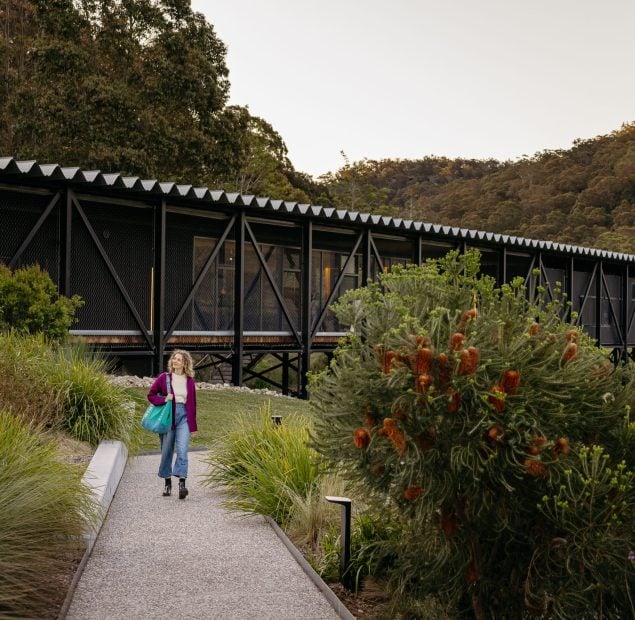
Bundanon Art Museum
Boyd Education Centre
170 Riversdale Road
Illaroo NSW 2540

ACCESS
Man on Fire: Visions of Nebuchadnezzar is an accessible exhibition with several resources available below and at the Art Museum Reception. Visitors are advised that this season is a 90% visual exhibition, predominantly featuring paintings and digital media.
Large Print
Large print versions of the exhibition text are available to borrow from museum reception.
Sensory Map
The sensory map for Man on Fire: Visions of Nebuchadnezzar includes information specific to the Art Museum and current exhibition, noise and lighting levels and other information relevant to sensory processing. Please contact the museum staff if you have any questions about the exhibition.
Download: Sensory Map
Phone: 02 4422 2101
Tactile Materials
Tactile and sensory materials that support the experience of the exhibition are available to visitors at the museum reception.
Seating
There is a small amount of seating in the exhibition. Individual seating is also available from museum reception, please speak with the friendly staff if you would like extra seating to experience the show.
There is also a wheelchair available to borrow from the museum reception.
Audio Descriptions
Audio descriptions are available below for a selection of works in the exhibition. For support in accessing the descriptions below, please speak to the gallery reception staff.
Audio descriptions are listed by room, clockwise.
Gallery 1 – Arthur Boyd
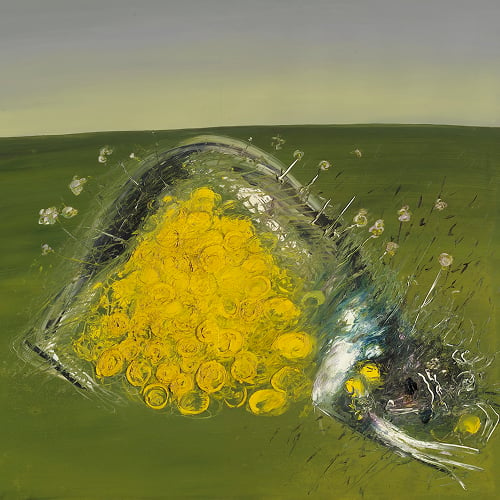
Arthur Boyd, Nebuchadnezzar protecting his gold, 1968-69
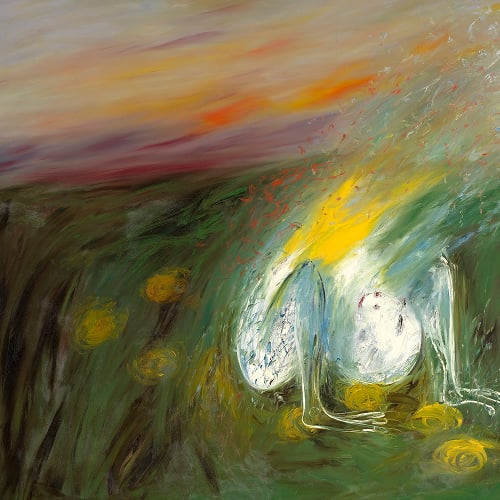
Arthur Boyd, Nebuchadnezzar fallen in a field on fire, c1969
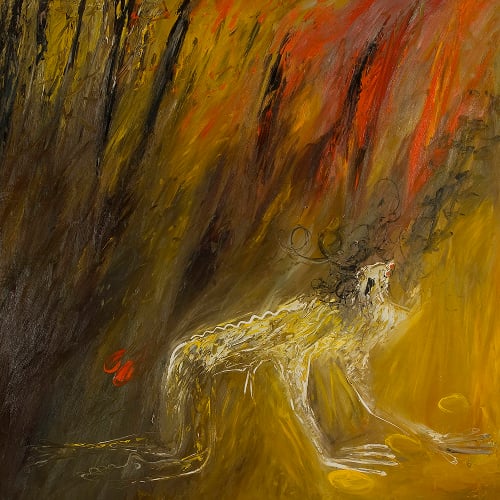
Arthur Boyd, Nebuchadnezzar fallen in a field on fire, 1967-68
Gallery 4 – Shaun Gladwell
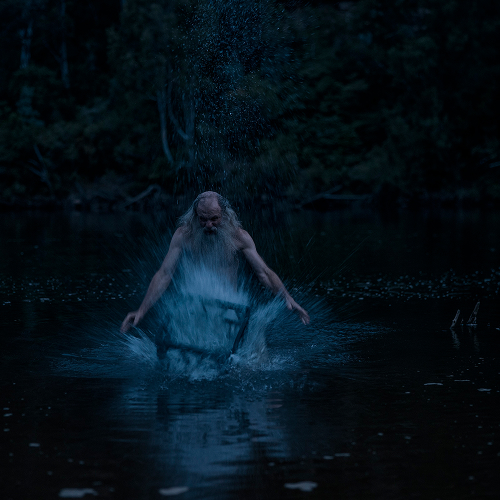
Shaun Gladwell, Nebuchadnezzar throwing a hurt locker into Bangli, 2026
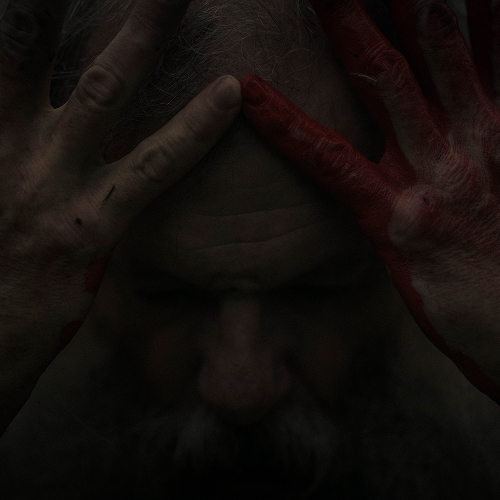
Shaun Gladwell, Nebuchadnezzar with head in hands, 2026
Gallery 5 – Arthur Boyd
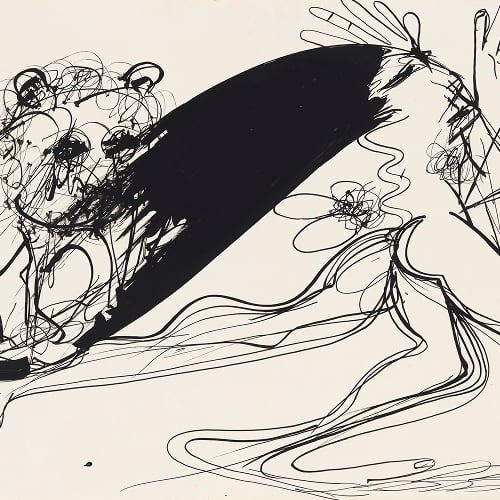
Arthur Boyd, Fleeing figure with black hair and squatting lion: Nebuchadnezzar, 1968-70
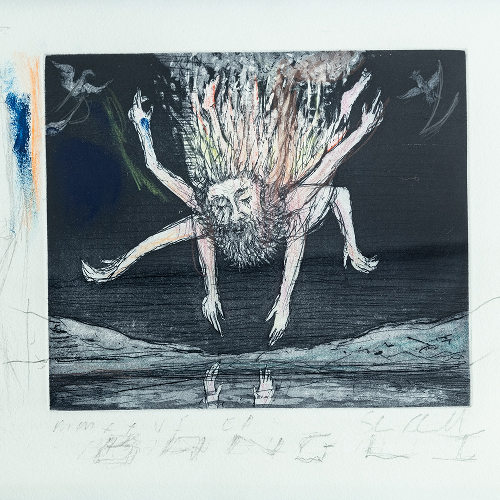
Shaun Gladwell, Nebuchadnezzar in the ocean singing to/as the morning star, 2026
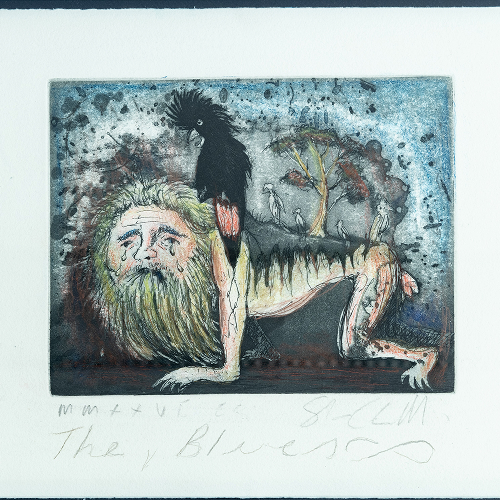
Shaun Gladwell, Nebuchadnezzar eating grass with Nowra and tree