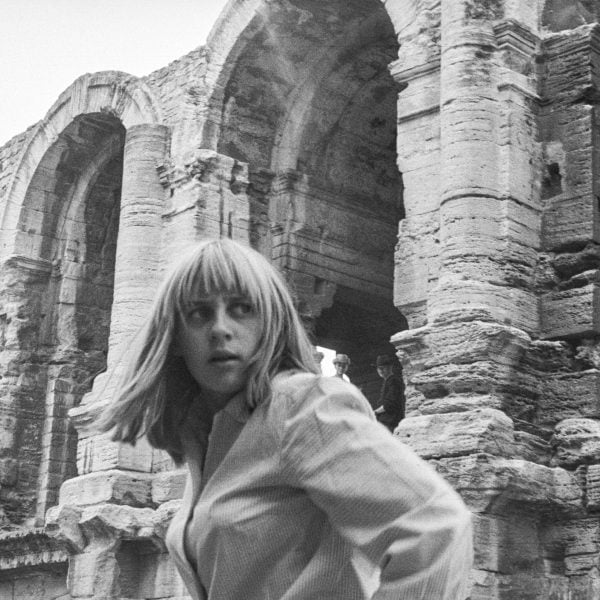
22 November 2o25 – 15 February 2026
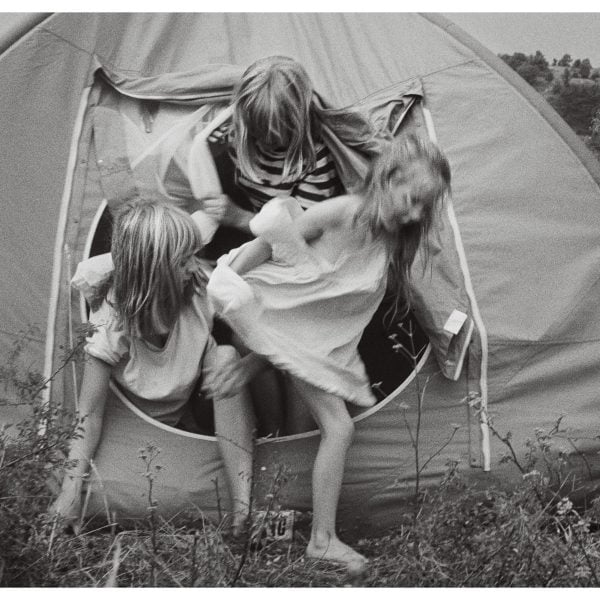
The Hidden Line: Art of the Boyd Women repositions the creative practices of five generations of women from one of Australia’s most prominent artistic dynasties.
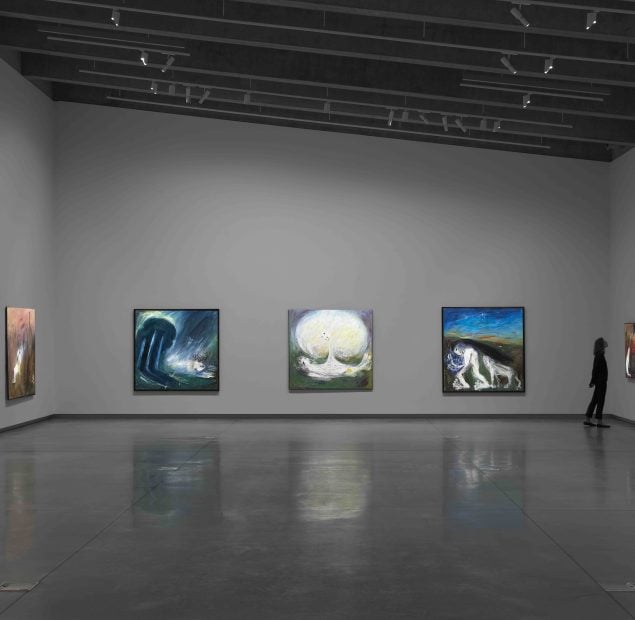
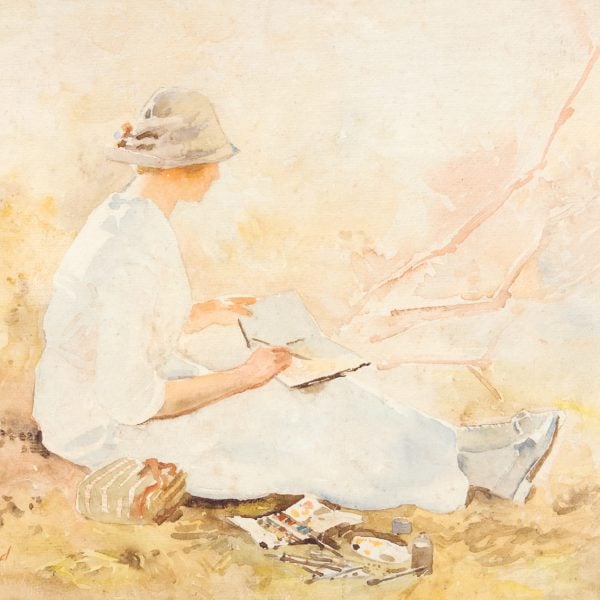
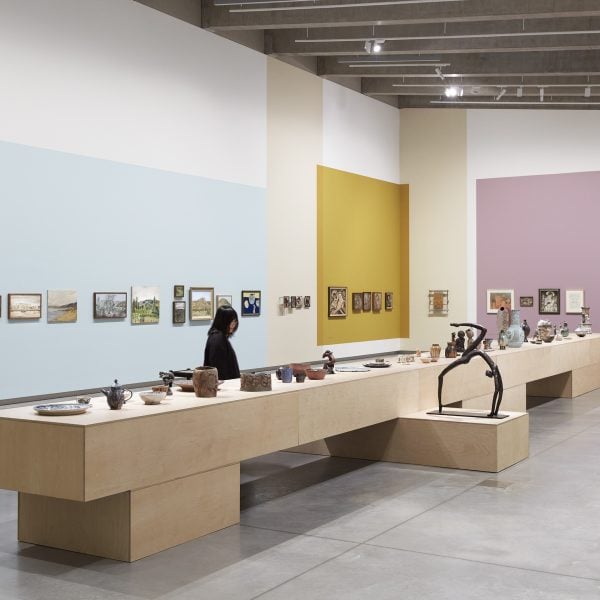
Showcasing more than 300 diverse works, this timely exhibition brings the women of the Boyd family into focus. As artists, designers, photographers, and creative collaborators, their contributions—though historically less celebrated than those of their male counterparts—remain deeply influential.
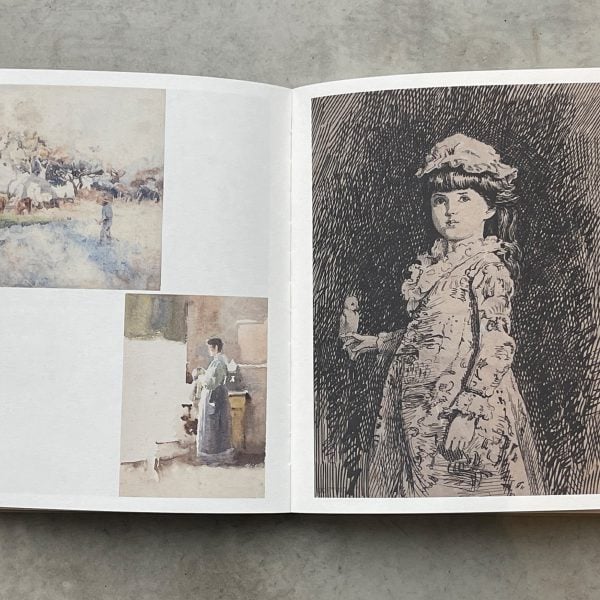
The exhibition presents works by Emma Minnie Boyd, Doris Boyd, Lady Mary Nolan, Yvonne Boyd, Lucy Boyd Beck, Hermia Boyd and their descendants still practicing today. Drawn largely from the Bundanon Collection, with key loans from national collections and the Boyd family, the exhibition spans painting and printmaking, sculpture and pottery, textiles, design, filmmaking and photography, including several never-before-exhibited works.
New commissions and recent work by contemporary Australian women artists are interspersed throughout the exhibition, including Pat Brassington, Elizabeth Dunn, Diena Georgetti, Helen Johnson, Narelle Jubelin, Camille Laddawan, Tjunkaya Tapaya OAM and Timna Taylor.
Artists
HELEN A’BECKETT READ
MARGOT BECK
EMMA MINNIE BOYD
CASSANDRA BOYD
AMANDA BOYD
DORIS BOYD
JESSICA BOYD
LENORE BOYD
LUCINDA BOYD
LUCY BOYD
POLLY BOYD
LUCY BOYD BECK
ELLEN BOYD GREEN
FLORENCE BOYD WILLIAMS
YVONNE BOYD
MARY NOLAN
CHARLOTTE BOYD
ALICE PERCEVAL
CELIA PERCEVAL
KITTY PERCEVAL
TESSA PERCEVAL
PIP RYAN
HERMIA BOYD
with
PAT BRASSINGTON
ELIZABETH DUNN
DIENA GEORGETTI
HELEN JOHNSON
NARELLE JUBELIN
CAMILLE LADDAWAN
TJUNKAYA TAPAYA OAM
TIMNA TAYLOR
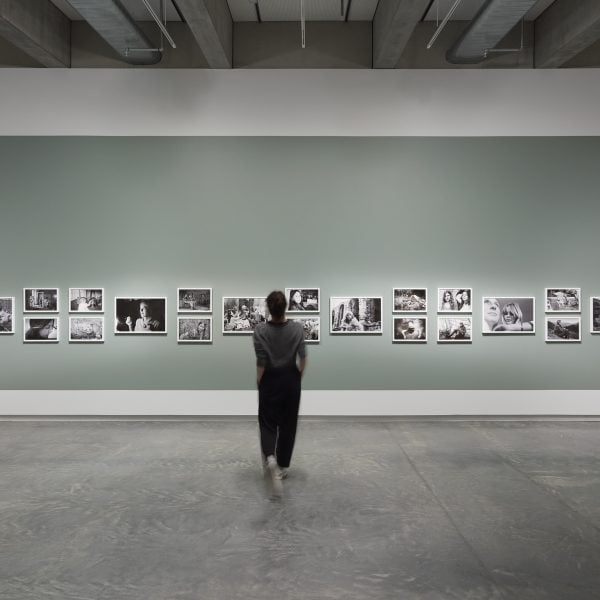
ACCESS
The Hidden Line: Art of the Boyd Women is an accessible exhibition with several resources available below and at the Art Museum Reception. Visitors are advised that this season is a 95% visual exhibition, predominantly featuring painting, ceramics, and sculpture.
LARGE PRINT
Large print versions of the exhibition text are available to borrow from museum reception.
TACTILE MATERIALS
Tactile and sensory materials that support the experience of the exhibition are available to visitors at the museum reception.
SEATING
There is a small amount of seating in the exhibition. Individual seating is also available from museum reception, please speak with the friendly staff if you would like extra seating to experience the show.
There is also a wheelchair available to borrow from the museum reception.
Audio Descriptions
Audio descriptions are available below for a selection of works in the exhibition. For support in accessing the descriptions below, please speak to the gallery reception staff.
Audio descriptions are listed by room, clockwise.
Gallery Four
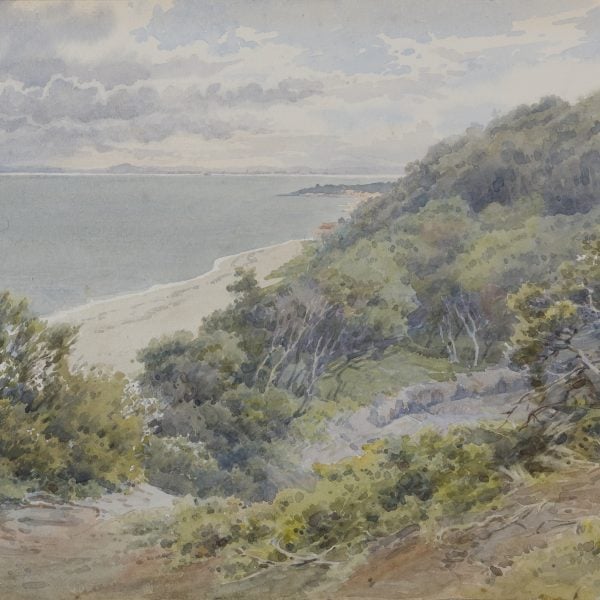
Emma Minnie Boyd, Coastal scrub, Sandringham, c1927, watercolour on paper. Bundanon Collection
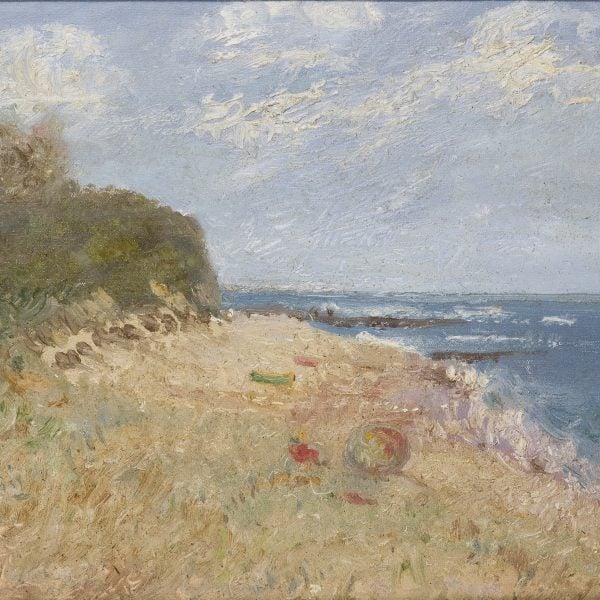
Doris Boyd, Beach with boats and umbrella, c1934, oil on canvas. Bundanon Collection
Gallery One

Tessa Perceval, Seascape, c1965, oil on canvas. Bundanon Collection

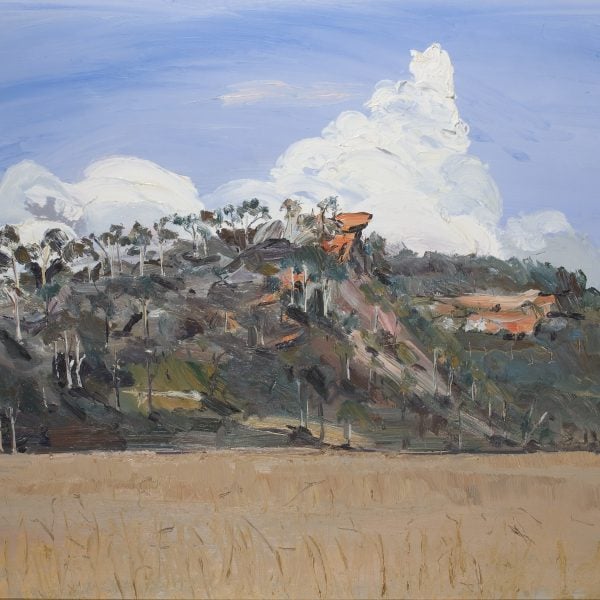
Lucy Boyd, Pulpit Rock, c1985, oil on canvas. Bundanon Collection
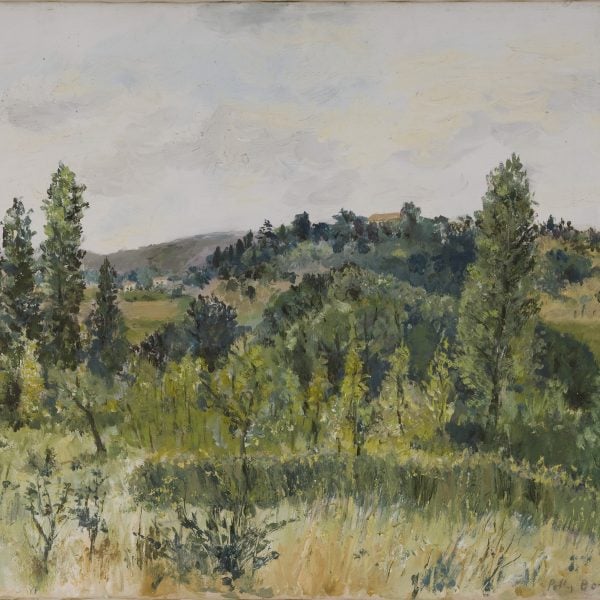
Polly Boyd, South France, Tourrettes, 1971, oil on canvas. Bundanon Collection
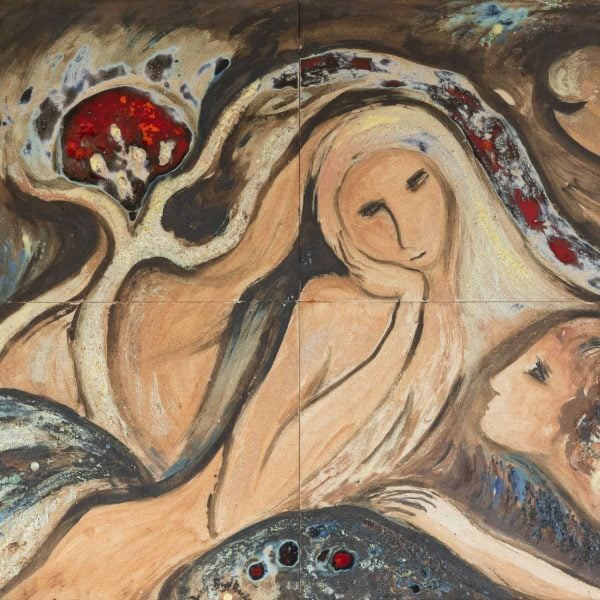
Lucy Boyd Beck, Orpheus and Eurydice, c1974, glazed earthenware. Bundanon Collection

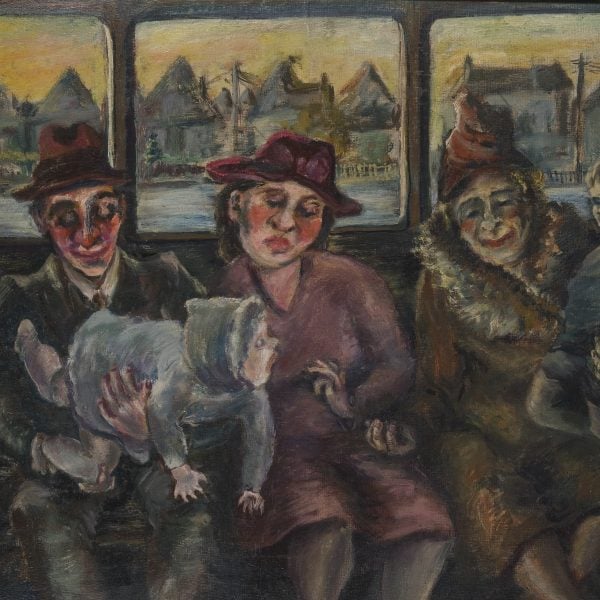
Yvonne Boyd, Melbourne tram, 1944, oil on muslin on cardboard. Bundanon Collection
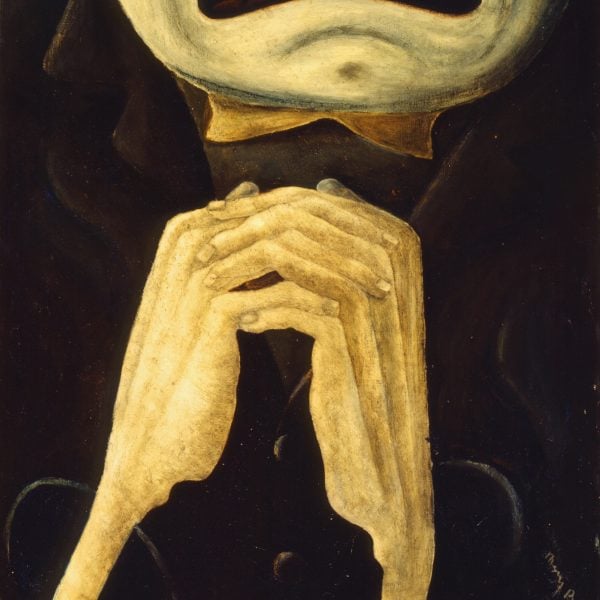
Gallery Three